
Abanaki Corporation Oil Skimming Division
17387 Munn Road
Chagrin Falls, OH 44023
Phone: (440) 543-7400
Email: skimmers@abanaki.com
Fax: (440) 543-7404
ISO 9001:2015 Certified Company
Terms and Conditions

Abanaki Corporation Oil Skimming Division
17387 Munn Road
Chagrin Falls, OH 44023
Phone: (440) 543-7400
Email: skimmers@abanaki.com
Fax: (440) 543-7404
ISO 9001:2015 Certified Company
Terms and Conditions
The Essential Role of Belt Oil Skimmers in Groundwater Remediation Solutions | Abanaki
Understanding Groundwater Contamination
Groundwater contamination is a pressing issue that can arise from various sources, including:
Given the potential sources of contamination, addressing oil spills and leaks is essential for maintaining groundwater quality.
What is Groundwater Remediation?
Groundwater remediation is the process of cleaning up and restoring contaminated groundwater to ensure it is safe for use. Contaminants can include a variety of harmful substances, including oil, heavy metals, and chemicals. When oil spills occur, it can create a thick layer of contamination that poses significant risks to water quality and the surrounding ecosystem.
Remediation techniques vary based on the type and extent of contamination. Common methods include pump and treat systems, bioremediation, and natural attenuation. However, when oil is present in large quantities, specialized equipment like belt oil skimmers is often employed to effectively remove the contaminant.
What are Belt Oil Skimmers?
Belt oil skimmers are specialized devices designed to remove oil from the surface of water. They consist of a continuous belt that floats on the water, using various mechanisms to attract and collect oil. As the belt moves through the water, it picks up oil and transfers it to a collection point, where it can be stored or disposed of properly.
Belt oil skimmers work based on the principle that oil is less dense than water and will float on the surface. The design of these skimmers allows them to capitalize on this difference, making them an efficient tool for oil removal.
How Belt Oil Skimmers Work in Groundwater Remediation
Belt oil skimmers are particularly effective in groundwater remediation for several reasons:
The Process of Using Belt Oil Skimmers
The deployment of belt oil skimmers typically involves the following steps:
Benefits of Using Belt Oil Skimmers
By understanding and utilizing the benefits of belt oil skimmer technology, we can improve groundwater remediation efforts and work towards a more sustainable future, ensuring the protection of our invaluable water resources.
Read more
Oil Skimming Solutions for Steel Mills: Achieving Water Quality and Sustainability | Abanaki
A steel mill is perhaps the most significant industrial intersection of oil and water. The extensive use of water for cooling and descaling, alongside the significant volumes of hydraulic, lubricating, and cooling oils essential for steel production, constantly challenge and demonstrate the truth of the adage “oil and water do not mix.”
Oil Contamination in Steel Mills Process Water
The production of steel is a resource-intensive process, especially when it comes to water usage. It can take anywhere from 10,000 to 75,000 gallons of water to produce one ton of steel, depending on how much of that water is recycled. This significant range underscores the importance of reusing water whenever possible to reduce operational costs. However, in order for water to be reused in most steel mill processes, it must be free of contaminants such as oils, which can severely impact the mill’s ability to recycle water efficiently.
Tramp oils are a common contaminant in steel mill process water, and their presence can lead to a variety of operational problems. When water is tainted with oil, its effectiveness as a coolant or lubricant diminishes, reducing the efficiency of key processes. In addition, oil-contaminated water cannot be released into the facility’s wastewater system without causing environmental hazards. Stringent environmental regulations often prevent the discharge of such contaminated water, and failure to comply with these regulations can lead to fines and increased operational challenges for the mill.
Furthermore, the presence of oils in process water can create an ideal environment for bacterial growth. This poses a significant health risk to workers and can further compromise the quality of the recycled water. If water cannot be adequately treated for reuse due to contamination, it leads to higher production costs as the mill is forced to rely on fresh water supplies. Ensuring water purity through effective contamination control is not only critical for reducing costs but also for maintaining safe working conditions and complying with environmental standards.
Abanaki Model 8 Oil Skimmer
What strategies can be implemented at a steel mill to prevent or reduce oil contamination in process water? One effective option is the Abanaki Model 8 Belt Oil Skimmer, which provides a reliable solution for extracting oil from water and water-based solutions commonly used in mills. This oil skimming technology leverages the differences in specific gravity and surface tension between oil and water, enabling the belt skimmer to draw in oil and other hydrocarbon liquids from the fluid’s surface.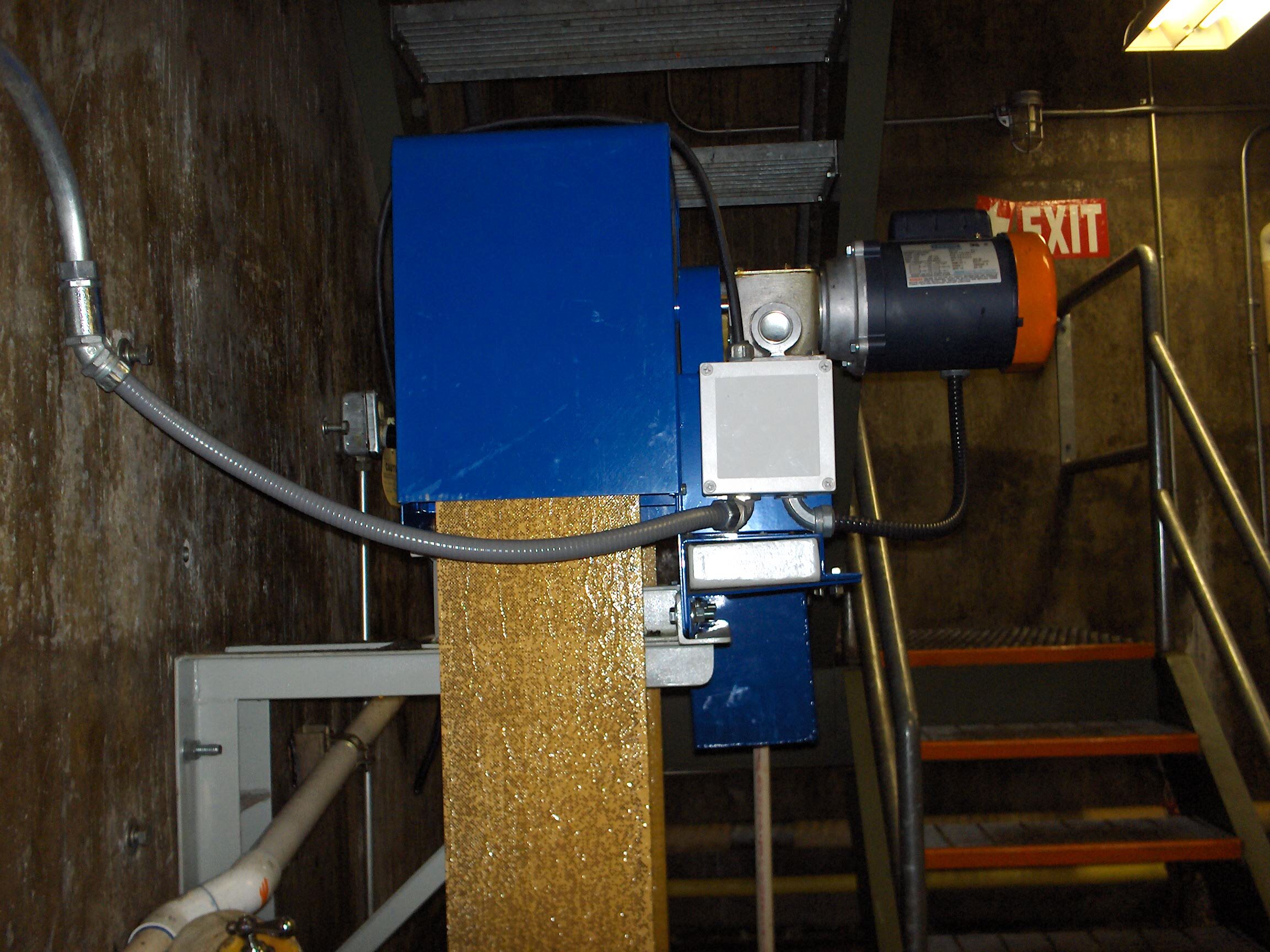
The Model 8 has the capability to reduce oil content in water to less than five parts per million, depending on the liquid’s characteristics. It operates using a continuous belt and wiper system, effectively removing up to 40 gallons of oil per hour from the surface of the fluid. This unit can serve as a pre-treatment step before filtration and can be used in conjunction with coalescing systems for enhanced efficiency. Its versatility extends beyond steel mills, making the Model 8 suitable for a variety of applications, including:
Abanaki Model 8 Oil Skimmer Specifications
Managing the complex relationship between oil and water in steel mills is essential for operational efficiency and environmental compliance. The significant water usage involved in steel production, along with the risk of oil contamination, highlights the need for effective solutions to maintain water quality. Technologies like the Abanaki Model 8 Belt Oil Skimmer offer a reliable means of removing oil from process water, facilitating recycling and reducing production costs. Its versatility extends beyond steel production, making it valuable in various applications across different industries. By prioritizing water purity, steel mills not only enhance their sustainability efforts but also ensure safer working conditions for employees, effectively addressing the challenges of oil contamination.
Read more
Finding the Right Oil Skimmer for Effective Hydrocarbon Removal | Abanaki
In industrial and environmental settings, effectively removing hydrocarbons from fluids is a critical task. The choice of the right oil skimmer and belt material can significantly influence the efficiency of this process. Given the variety of applications and operating conditions, understanding the factors that determine the suitability of different skimming solutions is essential for addressing hydrocarbon contamination. This blog delves into the considerations for selecting the appropriate oil skimmer, belt materials, and associated components to ensure optimal performance in various scenarios.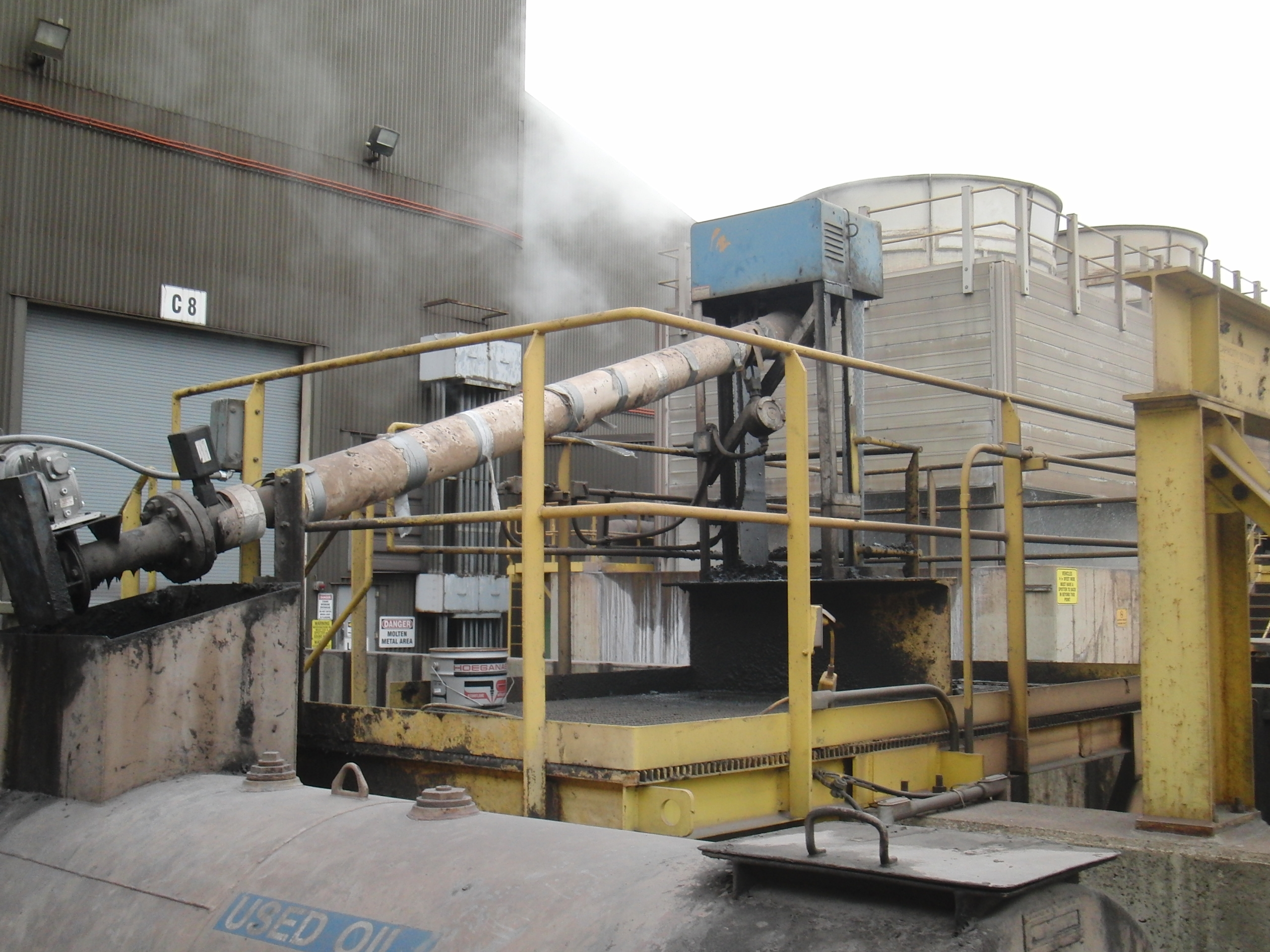
Application Variables
There are many variables in an application that will dictate which oil skimmer and belt material will work best in removing hydrocarbons from fluids. Key factors include:
Outdoor Applications and Heating Requirements
In outdoor applications, maintaining the fluidity of the skimmed product is crucial. Considerations include:
Material Considerations for Wiper Blades
Choosing the right material for wiper blades is critical for effective skimming. Common materials include:
Hazardous Duty Locations
For hazardous duty locations, special considerations are necessary to ensure safety and compliance:
Unattended Operation and Control Options
In many applications, skimmers can run unattended for extended periods. Considerations for control options include:
Choosing the right oil skimmer and associated components involves careful consideration of various factors, including the type of hydrocarbon, environmental conditions, and specific application requirements. By understanding these variables and selecting the appropriate materials and features, it is possible to design an effective and reliable skimming solution that addresses hydrocarbon contamination challenges in diverse settings. Whether dealing with outdoor applications, hazardous locations, or the need for unattended operation, the right skimming equipment can make a significant difference in maintaining fluid purity and operational efficiency. Proper selection and implementation ensure long-term effectiveness, reduce maintenance costs, and enhance overall environmental safety.
To learn more about oil skimmers, please contact our experts at 440-543-7400 or visit our website: www.abanaki.com
Read more
Choosing the Right Oil Skimmer: Key Tank Characteristics to Consider | Abanaki
Choosing the right oil skimmer tailored to your specific application is crucial for maximizing oil removal efficiency while minimizing capital and operational costs. Key factors such as the impoundment capacity, shape, and strategic placement of the tank and water impoundment play pivotal roles in determining the effectiveness and cost-effectiveness of your chosen oil skimmer.
A larger impoundment capacity allows for better management of oil-contaminated water, reducing maintenance frequency and operational interruptions. Tanks with smooth shapes and minimal internal obstructions facilitate efficient oil collection, enhancing skimmer performance and minimizing the risk of oil buildup. Strategic placement of the skimmer within your facility optimizes its efficiency by targeting areas where oil accumulates most. By considering these factors carefully, you can select an oil skimmer that not only meets your immediate needs but also contributes to long-term cost savings and operational efficiency.
Check out our Oil Skimming Guide to learn more.
Tank Size/Design
The size and design of your tank or sump play a pivotal role in ensuring efficient oil removal. It is essential that oil in the water is given the opportunity to separate naturally. Here are some key points to consider:
Tank Shape
The shape of your tank can significantly influence the efficiency of oil skimming. Tanks with complex shapes can create challenges in oil collection. Here’s what you should consider:
Tank Location/Installation
The physical location and installation of the oil skimmer are critical factors that affect its performance and ease of maintenance. Address the following questions to ensure optimal placement and functionality:
By carefully considering the size/design, shape, and location/installation of your tank and oil skimmer, you can significantly enhance the efficiency of oil removal from your water systems. This approach not only helps in reducing operational costs but also ensures a cleaner and more environmentally friendly process. Remember, the right oil skimmer tailored to your specific application is an investment in both efficiency and sustainability.
To learn more about oil skimmers, please contact our experts at 440-543-7400 or visit our website: www.abanaki.com
Read more
Mastering Oil Skimming: 11 Essential Tips for Efficient Oil Removal | Abanaki
Check out our Oil Skimming Guide to learn more.
Whether tasked with preserving the purity of coolant systems to prolong the lifespan of vital industrial tools or ensuring that wastewater remains free from the deleterious effects of oil discharge into the environment, a well-operating skimmer emerges as an invaluable asset. In recognition of their indispensable role, here are 11 invaluable tips aimed at maximizing the efficiency of oil removal from both water and coolant systems:
Abanaki Corporation stands as a beacon of excellence in oil skimming solutions, catering to a diverse range of industries with a steadfast commitment to environmental stewardship. Our motto, “Clean Our World,” underscores our dedication to preserving the planet while serving our valued customers. For any inquiries or assistance with your oil skimming application, don’t hesitate to reach out to us at 440-543-7400. We’re here to help you make a difference!
To learn more about oil skimmers, please contact our experts at 440-543-7400 or visit our website: www.abanaki.com
Read more
Efficient Oil Skimming: Six Reasons for Sustainable Manufacturing | Abanaki
1. Environmental Protection:
The consequences of oil contamination in water bodies can be devastating. Just one gallon of used motor oil has the potential to contaminate up to a million gallons of fresh water. This staggering statistic underscores the urgent need for effective oil removal techniques to safeguard precious water resources and protect ecosystems.
2. Waste Management Challenges:
The United States alone generates billions of gallons of waste oil annually, with millions of gallons improperly disposed of. Without proper management, this waste poses significant environmental risks and legal liabilities. Oil skimming technologies offer a proactive approach to managing oily wastewater, mitigating the threat of pollution and regulatory non-compliance.
3. Diverse Sources of Contamination:
Oily wastewater can originate from various industrial processes, including machine tool operations, coolant usage, parts washing, and food processing. The diverse sources of contamination underscore the widespread relevance of oil skimming technologies across different sectors, providing a versatile solution to a common problem.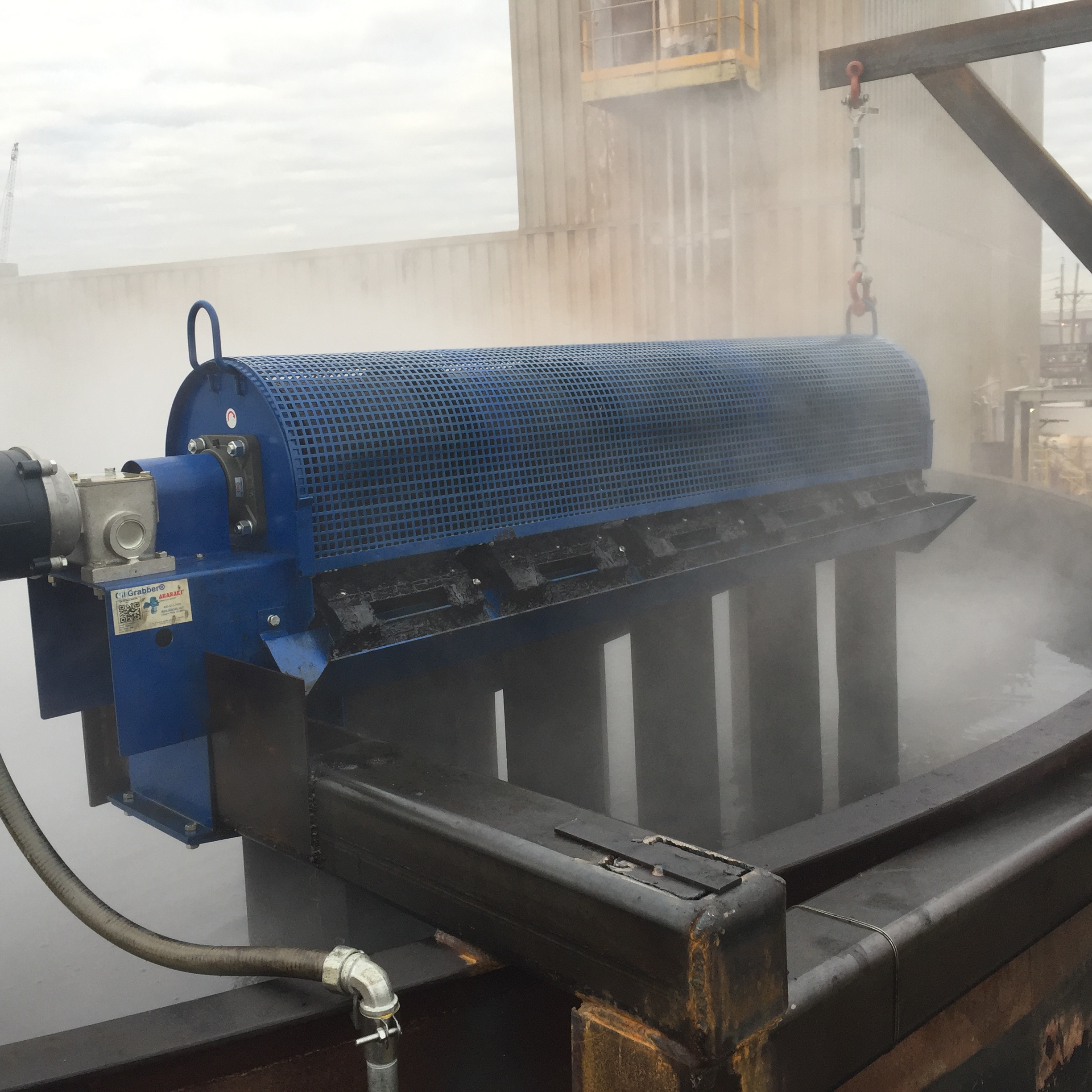
4. Legal Ramifications:
Dumping oily wastewater into storm sewers or natural water bodies is not just environmentally irresponsible; it can also lead to severe legal consequences. Violators may face hefty fines and even imprisonment, highlighting the importance of adopting responsible waste management practices, such as oil skimming, to ensure compliance with regulations.
5. Cost Considerations:
For larger manufacturers, outsourcing the disposal and treatment of oily wastewater to licensed firms can incur substantial monthly expenses running into thousands of dollars. By implementing oil skimmer technology, companies can significantly reduce the volume of waste oil requiring disposal or recycling, thereby trimming down operational costs and enhancing financial sustainability.
6. Efficiency and Resource Optimization:
Oil skimmers excel in efficiently removing oil from water, thereby reducing the water content of waste oil. This not only facilitates easier disposal or recycling but also maximizes the recovery of valuable resources. By optimizing resource utilization and minimizing waste, oil skimming technologies contribute to a more sustainable and efficient manufacturing process.
In summary, the imperative to remove oil from water extends far beyond regulatory compliance—it’s about safeguarding the environment, mitigating legal risks, and optimizing operational efficiency. Abanaki oil skimming technologies offer a practical and cost-effective solution to address these challenges, empowering industries to uphold environmental stewardship while enhancing their bottom line.
To learn more about oil skimmers, please contact our experts at 440-543-7400 or visit our website: www.abanaki.com
Read more