
Abanaki Corporation Oil Skimming Division
17387 Munn Road
Chagrin Falls, OH 44023
Phone: (440) 543-7400
Email: skimmers@abanaki.com
Fax: (440) 543-7404
ISO 9001:2015 Certified Company
Terms and Conditions

Abanaki Corporation Oil Skimming Division
17387 Munn Road
Chagrin Falls, OH 44023
Phone: (440) 543-7400
Email: skimmers@abanaki.com
Fax: (440) 543-7404
ISO 9001:2015 Certified Company
Terms and Conditions
The Scoop on Oil Skimmers: Ensure Your Application Applies | Abanaki
When properly selected and applied, oil skimmers are highly economical solutions for separating oil from water to allow its reuse or safe disposal. However, there are certain applications that can expect optimal results. Typical applications best suited for oil skimmers encompass: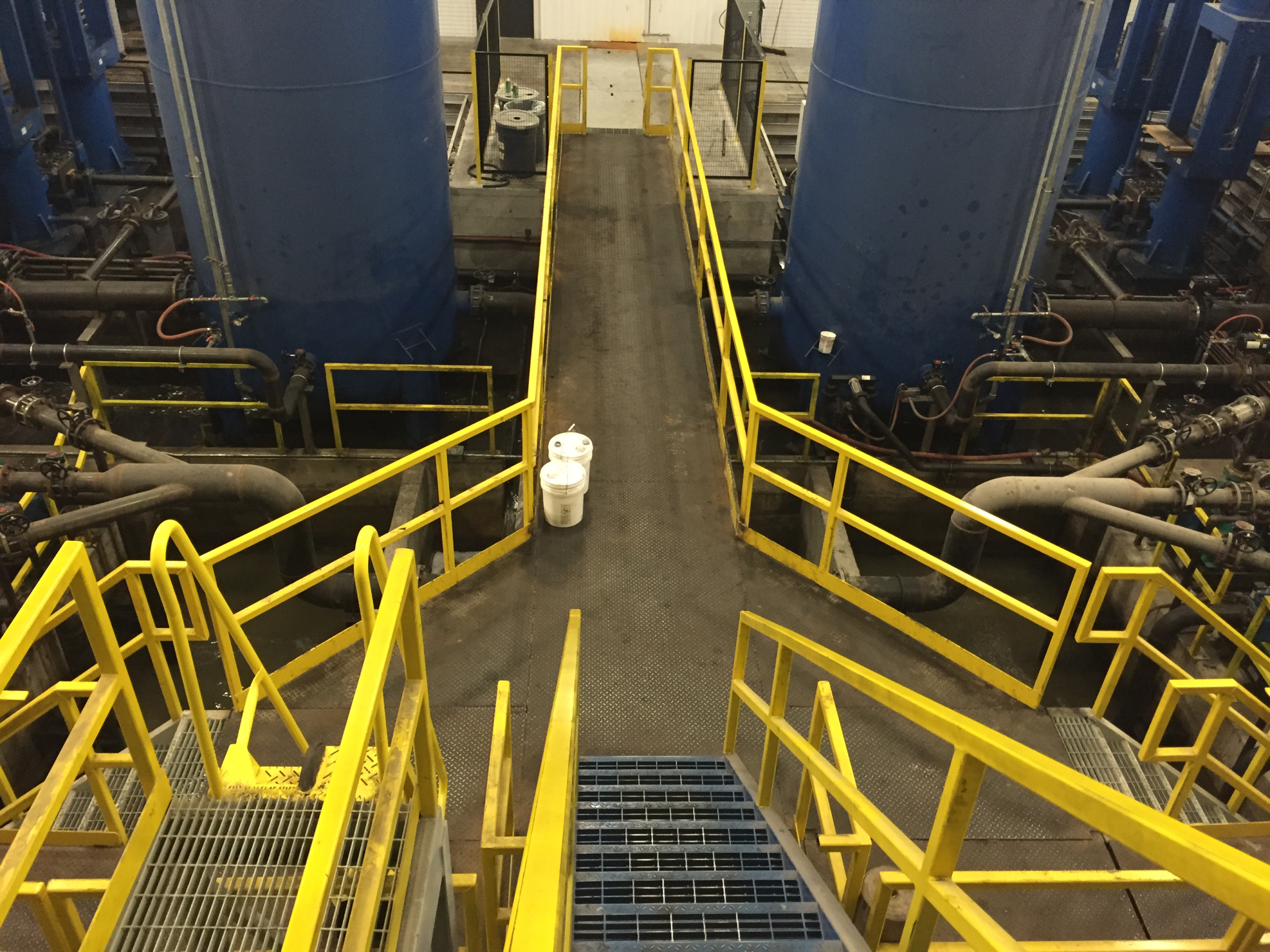
Wastewater Sumps
Wastewater sumps where removing floating hydrocarbons can reduce the cost of disposal and lower the contingent liabilities of wastewater discharge.
Most manufacturing or processing facilities have water systems where waste oil collects in a central tank or sump. Skimming the floating oils with little water content can reduce the cost of disposal and lower the contingent liabilities of wastewater discharge.
Coolant and Cutting Fluids
Coolants and cutting fluids where skimming tramp oils extends coolant life, improves the quality of machined parts, reduces irritating smoke that forms during machining, lessens the chance of dermatitis and helps prevent the fluid from developing a “rotten egg” odor.
Oil skimmers utilize the differing specific gravity between oil and coolant/water to remove tramp oils. A motor driven belt that is typically constructed of an oleophilic, or oil attractant material, is placed into a coolant sump or reservoir. As the belt moves through the coolant, it attracts tramp oils. The oil is scraped off by a wiper and deposited into a container.
Heat Treating
Heat treating operations where trench oils must be removed from heat-treated parts, and can be captured with a skimmer for re-use or disposal. This reduces oil purchases, prolongs wash water life and lowers disposal costs.
Parts Washers
Industrial parts washers, paint lines, and machine shops all have a need to remove oil from water. Abanaki oil skimmers are trusted throughout the automotive industry to extend coolant life, reduce disposal costs, and avoid fines from municipal sewer districts.
Food Processing
Food processing facilities where the removal of vegetable oils, greases and animal fats from a plant’s wastewater stream reduces processing and disposal costs.
Oil skimming is the most reliable and lowest cost method of removing food greases and oils from process wastewater. An oil skimmer uses the difference in specific gravity between oil and water, allowing the oil skimmer belt to attract frying oils, vegetable oils, greases, and animal fats as the belt passes through the surface of the water. The simple belt-and-motor approach is proven to operate unattended and reliably for decades with little maintenance.
Parking Lots, Garage and Service Facilities
Parking lots, garages and service facilities where waste oil from leaks, spills and other sources must be retrieved from sumps before water can be discharged to storm or sanitary sewers.
Outdoor Ponds, Lakes and Basins
Outdoor ponds, lakes and basins where floating oils are present, skimmers provide inexpensive and effective removal, solving a serious environmental problem.
Recovery/Monitoring Wells
Recovery/monitoring wells where a belt skimmer can be used instead of a down well pump to remove oil, fuel and other hydrocarbons. Generally, this is more cost-effective and reduces maintenance headaches. Skimmers can reach depths of 200 feet or more and remove floating products despite fluctuating water tables.
The PetroXtractor is a well oil skimmer that makes use of the differences in specific gravity and surface tension between oil and water. These physical characteristics allow the unit’s continuous belt to attract floating oil in the well. After picking up the oil, the belt travels over the head pulley on the drive unit and through tandem wiper blades. The oil is then scraped off both sides of the belt and discharged through a 1-1/4″ ID hose. The unique bearing-less design of the tail pulley (immersed in the well water) with its tethered frame allows it to perform three important functions: it keeps proper tension on the belt, prevents accidental loss down the well, and keeps the belt centered in the casing.
Remediation Processes
Remediation processes where skimmers can be used effectively in tandem with other means and reduce the overall cost and increase the speed of the cleanup. For example, when using bio-remediation techniques, skimmers can be used to first remove the bulk of the oil from the groundwater. Then more biological agents may be used to clean up the remaining contamination. The remaining oil will clean up faster, as there will be less of it.
Sometimes called pump-less groundwater remediation systems, oil skimming is the lowest cost way to remove hydrocarbon contamination from groundwater. Oil skimming alone may clean water to acceptable levels or be used as a pre-filter treatment. It is the most inexpensive way to remove LNAPLs or DNAPLs.
To learn more about oil skimmers, please contact our experts at 440-543-7400 or visit our website: www.abanaki.com
Oil Skimmers Get the Dirty Jobs Done
In the video, oil skimmer is shown removing spent lubricant from a collection tank in a steel production facility. Due to the extreme heat resulting from the steel making process, lubricant used for conveyor bearings often leaks into the cooling water, creating a floating goop that can foul filters further upstream.
Read more
The Scoop on Oil Skimmers: Consider All the Options | Abanaki
All moving media skimmers use motors to move the belt, tube, disk, etc. While many are designed with standard, industrially rated, continuous-duty motors and also may use fully enclosed speed reducing drives, some can be specified with a number of motor options. These may include: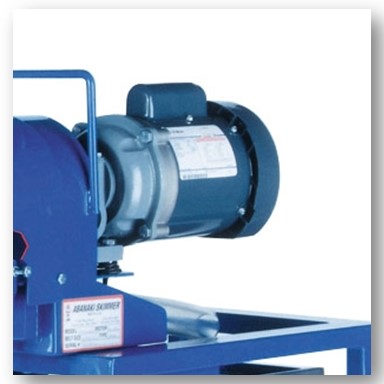
Consider also any optional equipment that may be available with the skimmer you are evaluating. Accessories allow customized systems that can ease installation and optimize performance. Some of the more common options include:
To learn more about oil skimmers, please contact our experts at 440-543-7400 or visit our website: www.abanaki.com
How to Skim Oil from Coolant Using Tube Skimmer
A tube oil skimmer can be used on machining centers with little or no access to the coolant sump from above. Plus, a tube oil skimmer can remove oil from chip conveyors or enclosed machining centers.
Read more
The Scoop on Oil Skimmers: Determine the Right Design | Abanaki
In more demanding situations, skimming is a cost-effective means of removing most of the oil before using more complicated and costly treatments, such as coalescers, membrane filters and chemical processes.
Belt-Type Skimmers
Mop Skimmers
Mop skimmers use an endless medium shaped like a rope that has mop-like tendrils that pick up the oil. As the medium leaves the liquid and enters the drive unit, it is pressed and wrung out with pinch rollers. For higher viscosity oils, this medium tends to mat down and lose effectiveness. Generally, a decantation system must be used with these units, as water pickup can be quite high. Also, replacement mops tend to be more expensive than belt type media.
Large Tube Skimmers
Large tube skimmers use a floating plastic hose that snakes out over the surface of the liquid and is then drawn back through the drive unit where oil is removed. This design requires a relatively large amount of fluid surface area for proper operation. Length considerations are the same as for belt skimmers; a typical tube diameter is 1 inch.
Mini Tube Skimmers
Mini tube skimmers are very similar to the larger tube units, but typically have either a 3/16-inch or a 5/16-inch diameter tube. The 5/16-inch diameter is preferable as it has enough stiffness to not drag on the housing and prematurely wipe off oil when drawn into the unit. Pickup rates vary from 1 quart/hour to 1.5 gph, depending on diameter and speed. These units can be used where space is limited. Units that have the motor mounted underneath reduce the amount of space required over the rim of the tank to nearly zero.
Disk Skimmers
Disk skimmers rotate a disk-shaped medium through the liquid. Oil is wiped off and discharged into a collection container in a manner similar to belt skimmers. When specifying disk diameter, it is important to consider reach, the portion of the disk that actually gets immersed. Less disk area in the fluid means less oil removed. Obviously, fluctuating fluid levels can be a real problem.
Also, it is important to look at how much of the disk the wipers are actually wiping. If they wipe only 2 inches from the edge, then any reach into the fluid beyond 2 inches is wasted. As a result, removal capacities for disks can be relatively low.
Drum/Barrel Style Skimmers
Drum/barrel styles are similar to the disk type, but use a rotating drum-shaped medium. Compared to disk types, they are usually more rugged and have higher removal capacity. These units can also be rendered ineffective by fluctuating fluid levels.
When properly selected and applied, oil skimmers are highly economical solutions for separating oil from water to allow its reuse or safe disposal.
All of our coolant skimmers are rugged, reliable and low maintenance. Removal capacities range from 1 to 200 gallons per hour. Browse the types of oil skimmers and oil skimming accessories in our website www.abanaki.com or contact our experts at 440-543-7400 to find the right solution for your application.
Unfamiliar with our Oil Skimming products? Go to the Skimmer Selection page to view the types of oil skimmers for every application.
Watch this video to see how do industrial belt skimmers work.
Read more
The Scoop on Oil Skimmers: Select by Application | Abanaki
Operating Conditions
The performance and life of the pick-up medium, wiper blades, pulleys, etc. are affected by operating conditions. These include temperatures in and out of the liquid, the pH of the solution and the presence of solvents or other reactive chemicals.
Hazardous Materials
Applications involving flammable materials or explosive vapors require the use of explosion-proof (or air-driven) motors and controls.
Temperature/Viscosity
All skimmers require floating oil to be in a liquid, free-flowing state. (See Note 2 under Table 1 for an exception.) If the oil congeals or solidifies at ambient temperatures, the reservoir and/or skimmer will require heaters to maintain fluid flow.
Skimmed Water Content
All oil skimmers pick up some water with the oil. Suction skimmers pick up more water than other types. High water content increases oil recycling and disposal costs. Generally, the ratio of water to oil decreases with thicker films of floating oil and slower moving pick-up media. A concentrator or decanter installed at the skimmer discharge port provides secondary oil/water separation that can reduce water content to nearly zero.
Residual Oil
Portability
In some plants mobile equipment service shops and at remediation sites, a portable skimmer can sometimes service multiple machines, sumps or wells.
Tank or Sump Characteristics
The location, shape and capacity of a tank or water impoundment are major factors in choosing the right skimmer. Also consider fluctuations in water level, turbulence and possible emulsions. Although skimmers do not cause emulsions, they may have trouble removing certain types.
Size/Design
Oil and water can emulsify when subjected to turbulence and other mechanical agitation. Avoid this by having water return to the tank below the liquid surface at as low a velocity as practical. Make sure the tank or sump provides quiet areas, weirs and sufficient volume to allow adequate time for oil/water separation.
Shape
Location/Installation
Questions to ask about the physical location and characteristics of the tank and collection container: Does skimmed material need to be pumped from the skimmer to the container? Will skimmer access for periodic maintenance be a problem? How much mounting space is available? Are tank or container modifications required? (Total skimmer system costs may involve additional components, tank modifications and skimmer maintenance.)
All of our coolant skimmers are rugged, reliable and low maintenance. Removal capacities range from 1 to 200 gallons per hour. Browse the types of oil skimmers and oil skimming accessories in our website www.abanaki.com or contact our experts at 440-543-7400 to find the right solution for your application.
Unfamiliar with our Oil Skimming products? Go to the Skimmer Selection page to view the types of oil skimmers for every application.
Watch this video to see how to remove a higher amount of tramp oil.
Read more
The Scoop on Oil Skimmers: Understand the Basics | Abanaki
Oil skimmers are simple, dependable and effective tools for removing oil, grease and other hydrocarbons from water. They usually pay for themselves within a few months. In order to ensure the oil skimmer you choose is right for your operation, there are certain steps you can follow.
Understand the Designs
What Kind of Contaminant
Second, realize that the kind of contaminant being removed does affect the kind of skimmer you should choose. Grease skimming involves higher viscosity hydrocarbons. These skimmers must be operated at temperatures high enough to keep the grease fluid. This may require heating elements in the fluid reservoir and skimmer unit to keep the grease in a liquid state for easier pick-up and discharge. If floating grease forms into solid clumps or mats in the reservoir, a spray bar, aerator or other mechanical apparatus can be used to break up the grease and facilitate skimming.
When using bio-remediation techniques, skimmers can be used to first remove the bulk of the oil from the groundwater.
Power of the Skimmer
Finally, be aware of the power of a skimmer. Often a skimmer by itself can achieve the desired level of water purity. In more demanding situations, skimming is a cost-effective means of removing most of the oil before using more complicated and costly treatments, such as coalescers, membrane filters and chemical processes.
To learn more about oil skimmers, please contact our experts at 440-543-7400 or visit our website: www.abanaki.com
In this video, you will see how do different sizes Abanaki oil skimmers work with different media types.
Read more
Oil Skimming: What is a DNAPL? | Abanaki
DNAPL is short for dense non-aqueous phase liquid. Common DNAPLs include creosote, coal tar, and heavy oils; common DNAPL applications include degreasing and acting as a solvent. On the other hand, DNAPLs can also be the byproduct of industrial processes; in particular, a form of DNAPL known as multi-compound waste is a common type of waste oil. The defining aspect of DNAPLs, density, causes the mixture to sink in liquids like water or coolant. Because the sludge sinks, surface skimmers like rope skimmers have issues treating DNAPLs. Additionally, the density tends to cause problems with devices requiring a pump for collections because of its density, clogging the pipe or even breaking the pump itself.
Why are DNAPLs a Problem?
DNAPLs are common forms of wastewater pollution. Having DNAPLs leak into local groundwater is a violation of EPA regulations. In addition, DNAPLs can worsen working conditions in manufacturing. Often, these oils will emit a smell akin to sulfur as they break down.
DNAPLs may also reduce the effectiveness of machinery. The density can interfere with pumps or other methods of liquid conveyance, while the chemical properties of the DNAPL, depending on composition, can have adverse effects on the liquid it is suspended in.
These problems can actively interfere with the intended function of the machinery, leading to productivity loss or even damage to the machine.
How are DNAPLs Collected?
For DNAPLS, there are two general means of treatment: extraction and destruction. Extraction denotes the removal of the DNAPL from the liquid, while destruction means breaking down or neutralizing the DNAPLs to a level of minimal impact.
Methods of treatment include bioremediation, in situ methods like oxidation, reduction and flushing, barriers, soil vapor extraction (abbreviated as SVE) and air sparging, solidification and stabilization, pump and treat, and excavation. Skimmers are often used as supplements for in situ methods like flushing to hasten the removal of free-floating DNAPLs.
Belt Oil Skimmers are the Best Method?
When pumps break down from clogs or internal mechanical failures, additional time is needed to correctly assess the problem and repair the problem. The pump also collects excess water, which is expected to be pumped back in the well and adds extra cost. Oil skimmers circumvent these problems.
The streamlined design of the PetroXtractor makes for easy assessment and repair in case of malfunction. Belt oil skimmers do not face the same clogging issues pumps do simply because there is almost nothing to clog.
Upkeep is straightforward and easy on a skimmer, often requiring a visit only once a week. The design of the PetroXtractor focuses on the collection of LNAPLs and DNAPLs without collecting water, preventing excess fluid from being collected. The PetroXtractor also can operate in fluctuating water levels as well as in more extreme conditions that pumps may have issues handling.
To learn more about oil skimmers, please contact our experts at 440-543-7400 or visit our website: www.abanaki.com
How Does a Well Oil Skimmer Work? | Abanaki
This animated demo shows how the PetroXtractor well oil skimmer works great with a large vertical drop making it ideal for wells and other small openings. Depths of 100 feet or more can be handled without the use of pumps.
Read more