Tramp oil is a term that describes any unwanted hydrocarbon-based substance that contaminates machine coolant. This issue occurs mostly metalworking and manufacturing industries. Tramp oils can lead to numerous problems that affect work environment safety, production efficiency, and the cost control abilities.
Machining centers employ various linear motion and rotary motion components such as bearings, slides, ball screws, and spindles that require lubrication to function efficiently. Over time, these lubricants can find their way to the machining center platform where they mix with cutting fluid or coolant.
Another source of contamination is from the materials being processed in the machining center. Most stock metals have a corrosion prevention coating which is typically oil based. If the oil based coating is not removed prior to machining, it will end up mixing with the coolant.
Problems Associated with Tramp Oils
Tramp oil contaminated coolant causes a variety of problems if not separated and removed.
First, the coolant’s performance ability suffers. This is because oil in coolant reduces the coolant fluid’s ability to reduce temperatures effectively. Any oil that is present in the cutting fluid will promote heat generated by the tool, which can shorten tool life considerably.
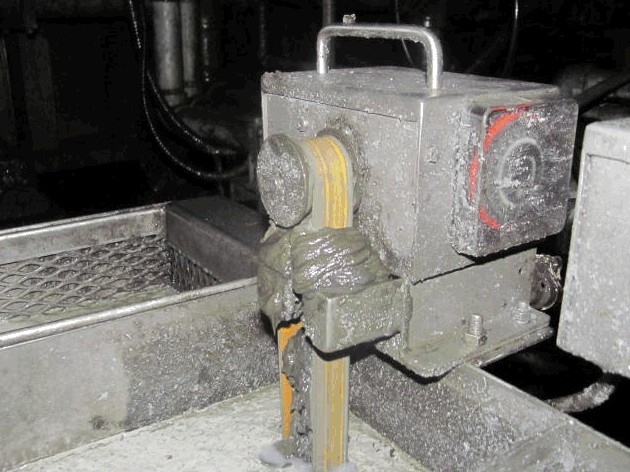
Another consequence of oil coming in contact with a hot cutting tool is smoke. At high temperatures, the oil can become hot enough to burn. This can create unsafe working conditions.
When left alone, tramp oils that settle in coolant become breeding grounds for anaerobic bacteria. The oil essentially prevents oxygen from mixing with the coolant, which can promote the growth of anaerobic bacteria. Workers who come in contact with these bacteria are susceptible to contact dermatitis. The bacteria can also generate hydrogen sulfide gas, which emits an unpleasant rotten egg odor.
Removal & Separation Solutions
There are two common methods for removing tramp oils from coolant. These are coalescers and oil skimmers.
Coalescers consolidate small oil particles into larger droplets. Filters or baffles are then gather larger droplets for removal. Coalescers are a good option for larger area applications as they have greater collection area than skimmers.
Skimmers utilize the differing specific gravities between oil and coolant/water to remove tramp oils. A motor driven belt that is typically constructed of an oleophilic, or oil attractant material, is placed into a coolant sump or reservoir. As the belt moves through the coolant, it attracts tramp oils. The oil is scraped off by a wiper and deposited into a container.
To learn more about oil skimmers, please contact our experts at 440-543-7400 or visit our website: www.abanaki.com
Waste oil recovery is critical to any application for a multitude of reasons. Many companies try, or should be trying (tsk tsk if you’re not), to recover their used oil in order to stay in compliance with government standards and regulations. No one wants to pay a massive fine or even worse, donning the orange jump suit with silver bracelets, when complying with the law and keeping our environment clean is a simple enough task.
Additionally, recovering used oil has its monetary perks. Reclaimed hydrocarbons can be sold for profit and removing it properly can help extend the life of equipment, waste water, or coolant. All while Mother Earth smiles and the people rejoice. Everybody wins.
Here are the seven advantages of using oil skimmers.
Reduction of Disposal Costs:
The cost of disposing oil laden coolant is more expensive than the disposing of oil.
Recycling Opportunities:
In some instances, companies may be able to re-use the skimmed oil elsewhere or sell it for recycling, choosing to keep their part of the world cleaner.
Extend Coolant Life:
Having oil free coolant can also extend its usefulness and effectiveness, reducing the expense on maintenance and coolant replacement.
Esthetic Benefits:
Removing the oil from a machine coolant tank will cut down on the amount of smoke generated from the cutting tool coming into contact with oil laden coolant thereby creating a visibly cleaner workplace.
Extend Tool Life:
Removing floating surface oils while aerating and refreshing coolant will extend tool life as well.
Avoid EPA Violations:
Many machining and metal working shops turn to aqueous parts cleaning because of limits imposed by the EPA on the discharge of emissions and wastes.
Hygienic Benefits:
Keeping coolant oxygenated and oil-free reduces the “rotten egg” odor and bacterial levels are lowered resulting in a cleaner work environment.
Oil Skimmers: Simple Solution to Serious Issue
Oil skimmers are very simple pieces of equipment that can help you tackle a very serious wastewater issue. They are a low-cost and environmentally sound solution to waste oil recovery. They are by no means high-maintenance or difficult to use, but do require some routine work every now and then and a little tinkering here or there. Bottom line is, replacing a wiper blade system or belt on an oil skimmer beats having to pay a fine to your respective government environmental agency. If you are not sure about the laws are regarding wastewater in your area, we have a handy database of environmental links indexed by location for you to use.
To learn more about oil skimmers, please contact our experts at 440-543-7400 or visit our website: www.abanaki.com
Our newest generation of products continues to set the industry standard for performance, productivity, and pollution control for oil removal.
To learn more about the Abanaki oil skimmers, please access and view the attached video.
https://www.abanaki.com/wp-content/uploads/ABN-Jan20-blog1.jpg864720adminhttps://www.abanaki.com/wp-content/uploads/abanaki-logo-sized3.gifadmin2020-01-21 16:32:002026-05-06 16:08:54Seven Advantages of Using Oil Skimmers | Abanaki
Anyone that works with coolant knows about the potential foul stench that looms around the corner. When a machine is shut down for the weekend, oil has a chance to come to the surface of the coolant tank. Bacteria that are living in the coolant tank use up the dissolved oxygen in the coolant mix, a process that is sped up by having a layer of oil on the surface. This allows odor causing anaerobic bacteria to thrive, giving off that familiar “rotten egg” smell.
Coolant Mints
Abanaki offers a wide range of coolant maintenance products. One of these items is our Coolant Mints. These tablets are safe to handle and eliminates odors by neutralizing them, not covering them with perfumes or fragrances. The Coolant Mints contain zero formaldehyde and causes zero issues with disposal. 1 tablet per week can maintain 25 gallons of coolant!
Coolant Skimmers or Tramp Oil Skimmers
The presence of a coolant skimmer or tramp oil skimmer in a machine shop holds many benefits. One of the benefits is to drop in “rotten egg” smell from bacteria reacting with oil on the top of coolant tanks.
Coolant skimmers or tramp oil skimmers remove tramp oil to extend the life of coolant, prevent hazardous conditions, and subsequently, get rid of the “rotten egg” smell. Depending on the applications, coolant skimmer will also bring your tool shop an improved working environment, extended tool life and reduced maintenance costs.
All of our coolant skimmers are rugged, reliable and low maintenance. Removal capacities range from 1 to 200 gallons per hour. Browse the types of oil skimmers and oil skimming accessories in our website www.abanaki.com or contact our experts at 440-543-7400 to find the right solution for your application.
Unfamiliar with our Oil Skimming products? Go to the Skimmer Selection page to view the types of oil skimmers for every application.
Watch this video to see how to remove a higher amount of tramp oil.
A crucial step many industries must take in a manufacturing process is to remove oil from water. Whether it is to comply with government standards and avoid fines or trying to cut down on disposal costs, there are a number of advantages companies enjoy when they use oil skimmers to remove oil from water.
Reasons to Remove Oil from Water
Here are six reasons why manufacturers need to remove oil from water and how Abanaki oil skimming technologies offer a cost-effective solution.
Gallon of used motor oil can contaminate million gallons of fresh water.
The U.S. generates billion gallons of waste oil each year and million gallons are not disposed properly.
Sources of oily wastewater include exhausted oil emulsion from machine tools, used coolants, water used in parts washing and grease from food processing, etc
Dumping oily wastewater into a storm sewer could lead to years in prison and/or hefty fines.
Hiring a licensed disposal firm to haul away and treat oily wastewater or coolant can cost larger manufacturers thousands of dollars per month!
Oil skimmer technology can dramatically reduce the water content of waste oil that must be disposed of or recycled.
“Oil and water don’t mix,” a statement that manufacturers in a variety of industries have come to learn the hard way. Oil skimming technologies offer an environmentally safe, highly economical approach to separating oil and water prior to disposal.
To learn more about oil skimmers, please contact our experts at 440-543-7400 or visit our website: www.abanaki.com
In this video, you will see how do different sizes Abanaki oil skimmers work with different media types.
https://www.abanaki.com/wp-content/uploads/ABN-September-email.jpg7201280adminhttps://www.abanaki.com/wp-content/uploads/abanaki-logo-sized3.gifadmin2019-12-11 14:30:002026-05-06 16:08:52Six Reasons to Remove Oil from Water | Abanaki
Machine tool coolant fluid contaminated with tramp oil can cause problems. For instance, contamination reduces fluid life and deteriorates the quality of machined parts. As the problem worsens, the tramp oil accelerates bacterial growth, and the cutting fluid eventually produces a rotten-egg odor. Besides the odor, bacteria-contaminated coolant can more serious issues such as dermatitis.
The Solution: Oil Skimmers
However, there is solution. Oil skimmers remove contamination. They are inexpensive, highly dependable, and typically pay for themselves within a few months. Although designs vary, most use moving media and rely on differences in specific gravity and surface tension between oil, water, and the skimmer medium.
Different Kinds of Oil Skimmer Media
Skimmer media comes in various shapes, and the most common are belts, disks, or tubes. As the medium moves through the cutting fluid, it picks up non-emulsified oil, which subsequently enters a removal section of the skimmer. Wiper blades or pinch rollers remove oil from the medium and routes it into a container for reclamation or disposal.
More advice: Oil Skimmer Motor
Selecting the proper style oil skimmer not only controls coolant contamination but also provides a clean, safe work environment. It’s also important to make sure the skimmer motor is robust enough to handle the intended application.
Skimmer motor housings, no matter what type of skimmer, should completely enclose the wiring and be tightly secured. Loose fitting housings with weak fastening may come off unintentionally, exposing wiring and increasing the risk of electrical shock. The housing should also be well ventilated so the motor does not overheat.
Shops also need to check motor specs, making sure the system is rated for continuous service. To shave costs, some manufacturers opt for intermittent-duty motors. Using this type of motor for more than two or three hours a day generally causes overheating.
Additionally, keep in mind that skimmed oil and water inevitably get on the motor shaft. So, it is important that the motor’s seals effectively prevent unwanted fluids from migrating along the shaft and contaminating the bearings.
To learn more about oil skimmers, please contact our experts at 440-543-7400 or visit our website: www.abanaki.com
In this video, you will see how do different sizes Abanaki oil skimmers work with different media types.
The use of an oil skimmer in the machine shop setting holds many benefits. Removing the oil from a machine coolant tank will initiate some esthetic benefits such as cutting down on the amount of smoke generated from the cutting tool coming into contact with oil laden coolant.
Bacteria Build-Up with “Rotten Egg” Smell
When a machine is shut down for the weekend, oil has a chance to come to the surface of the coolant tank. Bacteria that are living in the coolant tank use up the dissolved oxygen in the coolant mix, a process that is sped up by having a layer of oil on the surface. This allows odor causing anaerobic bacteria to thrive, giving off that familiar “rotten egg” smell.
Contrary to popular belief the common types of bacteria found in metalworking fluids do not cause dermatitis. However, if the skin is broken, bacteria that normally inhabit the skin may enter and cause infection. The presence of phosphates and carbonates that increase alkalinity in the coolant, however, can cause dermatitis. These impurities are found in the water being used in the coolant mix.
Cost-Saving with Coolant Oil Skimmer
Separating the oil from the coolant will also help reduce disposal costs. The cost of disposing of oil laden coolant is more expensive than disposing of oil. In fact, in some instances, companies may be able to re-use the oil elsewhere or sell it for recycling. Having oil free coolant can also extend its usefulness and effectiveness, reducing the expense on maintenance and coolant replacement. As the research on the different types of oil skimmers begins, a person will find that there are a variety of skimmers available to them. The most common types are the belt, disk, and tube skimmers. Each type of coolant skimmer has its advantages and disadvantages.
Other Factors to be Considered in Oil Skimming
There are also many factors that need to be considered when choosing the correct type of oil skimmer to fit the appropriate application. Factors such as water level fluctuation, water temperature, pH level, the use of rust inhibitors, the amount of oil to be skimmed, quality, and cost, must all be considered when selecting an oil skimmer.
The use of rust inhibitors, high temperatures, and variable pH levels can affect the skimmers ability to pick up oil. Most skimmer manufacturers use a variety of materials for the skimming medium such as plastic, stainless steel, or poly blends to match the solution in which they will be used.
There are a multitude of oil skimmers on the market today. One of the most important things to be considered is the quality of the unit to be purchased. Points of interest should include construction materials, motor design, and the type of warranty that is offered. Is the skimmer housing made of metal or plastic? Is the motor fan-cooled? Does the motor use needle bearings or bronze bearings? How long does the warranty last and what does it cover? Most oil skimmers will perform as advertised, but remember the old adage that “you get what you pay for”.
To learn more about oil skimmers, please contact our experts at 440-543-7400 or visit our website: www.abanaki.com
What is Tramp Oil? | Abanaki
What causes Tramp Oil?
How do these hydrocarbon-based substances find their way into a coolant sump?
There are a few different avenues.
Machining centers employ various linear motion and rotary motion components such as bearings, slides, ball screws, and spindles that require lubrication to function efficiently. Over time, these lubricants can find their way to the machining center platform where they mix with cutting fluid or coolant.
Another source of contamination is from the materials being processed in the machining center. Most stock metals have a corrosion prevention coating which is typically oil based. If the oil based coating is not removed prior to machining, it will end up mixing with the coolant.
Problems Associated with Tramp Oils
Tramp oil contaminated coolant causes a variety of problems if not separated and removed.
First, the coolant’s performance ability suffers. This is because oil in coolant reduces the coolant fluid’s ability to reduce temperatures effectively. Any oil that is present in the cutting fluid will promote heat generated by the tool, which can shorten tool life considerably.
Another consequence of oil coming in contact with a hot cutting tool is smoke. At high temperatures, the oil can become hot enough to burn. This can create unsafe working conditions.
When left alone, tramp oils that settle in coolant become breeding grounds for anaerobic bacteria. The oil essentially prevents oxygen from mixing with the coolant, which can promote the growth of anaerobic bacteria. Workers who come in contact with these bacteria are susceptible to contact dermatitis. The bacteria can also generate hydrogen sulfide gas, which emits an unpleasant rotten egg odor.
Removal & Separation Solutions
There are two common methods for removing tramp oils from coolant. These are coalescers and oil skimmers.
Skimmers utilize the differing specific gravities between oil and coolant/water to remove tramp oils. A motor driven belt that is typically constructed of an oleophilic, or oil attractant material, is placed into a coolant sump or reservoir. As the belt moves through the coolant, it attracts tramp oils. The oil is scraped off by a wiper and deposited into a container.
To learn more about oil skimmers, please contact our experts at 440-543-7400 or visit our website: www.abanaki.com
Read more
Seven Advantages of Using Oil Skimmers | Abanaki
Waste oil recovery is critical to any application for a multitude of reasons. Many companies try, or should be trying (tsk tsk if you’re not), to recover their used oil in order to stay in compliance with government standards and regulations. No one wants to pay a massive fine or even worse, donning the orange jump suit with silver bracelets, when complying with the law and keeping our environment clean is a simple enough task.
Additionally, recovering used oil has its monetary perks. Reclaimed hydrocarbons can be sold for profit and removing it properly can help extend the life of equipment, waste water, or coolant. All while Mother Earth smiles and the people rejoice. Everybody wins.
Here are the seven advantages of using oil skimmers.
Reduction of Disposal Costs:
The cost of disposing oil laden coolant is more expensive than the disposing of oil.
Recycling Opportunities:
In some instances, companies may be able to re-use the skimmed oil elsewhere or sell it for recycling, choosing to keep their part of the world cleaner.
Extend Coolant Life:
Having oil free coolant can also extend its usefulness and effectiveness, reducing the expense on maintenance and coolant replacement.
Esthetic Benefits:
Removing the oil from a machine coolant tank will cut down on the amount of smoke generated from the cutting tool coming into contact with oil laden coolant thereby creating a visibly cleaner workplace.
Extend Tool Life:
Removing floating surface oils while aerating and refreshing coolant will extend tool life as well.
Avoid EPA Violations:
Many machining and metal working shops turn to aqueous parts cleaning because of limits imposed by the EPA on the discharge of emissions and wastes.
Hygienic Benefits:
Keeping coolant oxygenated and oil-free reduces the “rotten egg” odor and bacterial levels are lowered resulting in a cleaner work environment.
Oil Skimmers: Simple Solution to Serious Issue
To learn more about oil skimmers, please contact our experts at 440-543-7400 or visit our website: www.abanaki.com
Our newest generation of products continues to set the industry standard for performance, productivity, and pollution control for oil removal.
To learn more about the Abanaki oil skimmers, please access and view the attached video.
Read more
How to Keep Machine Coolant from Smelling | Abanaki
Coolant Mints
Coolant Skimmers or Tramp Oil Skimmers
The presence of a coolant skimmer or tramp oil skimmer in a machine shop holds many benefits. One of the benefits is to drop in “rotten egg” smell from bacteria reacting with oil on the top of coolant tanks.
All of our coolant skimmers are rugged, reliable and low maintenance. Removal capacities range from 1 to 200 gallons per hour. Browse the types of oil skimmers and oil skimming accessories in our website www.abanaki.com or contact our experts at 440-543-7400 to find the right solution for your application.
Unfamiliar with our Oil Skimming products? Go to the Skimmer Selection page to view the types of oil skimmers for every application.
Watch this video to see how to remove a higher amount of tramp oil.
Read more
Six Reasons to Remove Oil from Water | Abanaki
Here are six reasons why manufacturers need to remove oil from water and how Abanaki oil skimming technologies offer a cost-effective solution.
“Oil and water don’t mix,” a statement that manufacturers in a variety of industries have come to learn the hard way. Oil skimming technologies offer an environmentally safe, highly economical approach to separating oil and water prior to disposal.
To learn more about oil skimmers, please contact our experts at 440-543-7400 or visit our website: www.abanaki.com
In this video, you will see how do different sizes Abanaki oil skimmers work with different media types.
Read more
Skimming Away Coolant Contamination with Tramp Oil Skimmers | Abanaki
The Solution: Oil Skimmers
However, there is solution. Oil skimmers remove contamination. They are inexpensive, highly dependable, and typically pay for themselves within a few months. Although designs vary, most use moving media and rely on differences in specific gravity and surface tension between oil, water, and the skimmer medium.
Different Kinds of Oil Skimmer Media
Skimmer media comes in various shapes, and the most common are belts, disks, or tubes. As the medium moves through the cutting fluid, it picks up non-emulsified oil, which subsequently enters a removal section of the skimmer. Wiper blades or pinch rollers remove oil from the medium and routes it into a container for reclamation or disposal.
More advice: Oil Skimmer Motor
Selecting the proper style oil skimmer not only controls coolant contamination but also provides a clean, safe work environment. It’s also important to make sure the skimmer motor is robust enough to handle the intended application.
Skimmer motor housings, no matter what type of skimmer, should completely enclose the wiring and be tightly secured. Loose fitting housings with weak fastening may come off unintentionally, exposing wiring and increasing the risk of electrical shock. The housing should also be well ventilated so the motor does not overheat.
Additionally, keep in mind that skimmed oil and water inevitably get on the motor shaft. So, it is important that the motor’s seals effectively prevent unwanted fluids from migrating along the shaft and contaminating the bearings.
To learn more about oil skimmers, please contact our experts at 440-543-7400 or visit our website: www.abanaki.com
In this video, you will see how do different sizes Abanaki oil skimmers work with different media types.
Read more
Coolant Oil Skimmer With Benefits | Abanaki
The use of an oil skimmer in the machine shop setting holds many benefits. Removing the oil from a machine coolant tank will initiate some esthetic benefits such as cutting down on the amount of smoke generated from the cutting tool coming into contact with oil laden coolant.
Bacteria Build-Up with “Rotten Egg” Smell
When a machine is shut down for the weekend, oil has a chance to come to the surface of the coolant tank. Bacteria that are living in the coolant tank use up the dissolved oxygen in the coolant mix, a process that is sped up by having a layer of oil on the surface. This allows odor causing anaerobic bacteria to thrive, giving off that familiar “rotten egg” smell.
Contrary to popular belief the common types of bacteria found in metalworking fluids do not cause dermatitis. However, if the skin is broken, bacteria that normally inhabit the skin may enter and cause infection. The presence of phosphates and carbonates that increase alkalinity in the coolant, however, can cause dermatitis. These impurities are found in the water being used in the coolant mix.
Cost-Saving with Coolant Oil Skimmer
Separating the oil from the coolant will also help reduce disposal costs. The cost of disposing of oil laden coolant is more expensive than disposing of oil. In fact, in some instances, companies may be able to re-use the oil elsewhere or sell it for recycling. Having oil free coolant can also extend its usefulness and effectiveness, reducing the expense on maintenance and coolant replacement. As the research on the different types of oil skimmers begins, a person will find that there are a variety of skimmers available to them. The most common types are the belt, disk, and tube skimmers. Each type of coolant skimmer has its advantages and disadvantages.
Other Factors to be Considered in Oil Skimming
There are also many factors that need to be considered when choosing the correct type of oil skimmer to fit the appropriate application. Factors such as water level fluctuation, water temperature, pH level, the use of rust inhibitors, the amount of oil to be skimmed, quality, and cost, must all be considered when selecting an oil skimmer.
The use of rust inhibitors, high temperatures, and variable pH levels can affect the skimmers ability to pick up oil. Most skimmer manufacturers use a variety of materials for the skimming medium such as plastic, stainless steel, or poly blends to match the solution in which they will be used.
There are a multitude of oil skimmers on the market today. One of the most important things to be considered is the quality of the unit to be purchased. Points of interest should include construction materials, motor design, and the type of warranty that is offered. Is the skimmer housing made of metal or plastic? Is the motor fan-cooled? Does the motor use needle bearings or bronze bearings? How long does the warranty last and what does it cover? Most oil skimmers will perform as advertised, but remember the old adage that “you get what you pay for”.
To learn more about oil skimmers, please contact our experts at 440-543-7400 or visit our website: www.abanaki.com
Read more