
Abanaki Corporation Oil Skimming Division
17387 Munn Road
Chagrin Falls, OH 44023
Phone: (440) 543-7400
Email: skimmers@abanaki.com
Fax: (440) 543-7404
ISO 9001:2015 Certified Company
Terms and Conditions

Abanaki Corporation Oil Skimming Division
17387 Munn Road
Chagrin Falls, OH 44023
Phone: (440) 543-7400
Email: skimmers@abanaki.com
Fax: (440) 543-7404
ISO 9001:2015 Certified Company
Terms and Conditions
7 Tips for Choosing the Best Tube Oil Skimmer | Abanaki
Tube oil skimmers offer an inexpensive, efficient solution for removing tramp oil from coolant especially if limited overhead space is an issue. Tube oil skimmers can be used on machining centers with little or no access to the coolant sump from above. Plus, tube oil skimmers can remove oil from chip conveyors or enclosed machining centers.
However, finding the best tube oil skimmer for an application can be difficult. This video shows how to use this type-skimmer correctly along with seven features of a high-quality tube skimmer for coolant maintenance.
Why Tube Oil Skimmer?
Tube oil skimmers are great for some specific applications where oil needs to be removed from water or coolant. The basic principle is that the tube will reach into the water and break the oil’s surface tension. This is the same way that the belt skimmers work.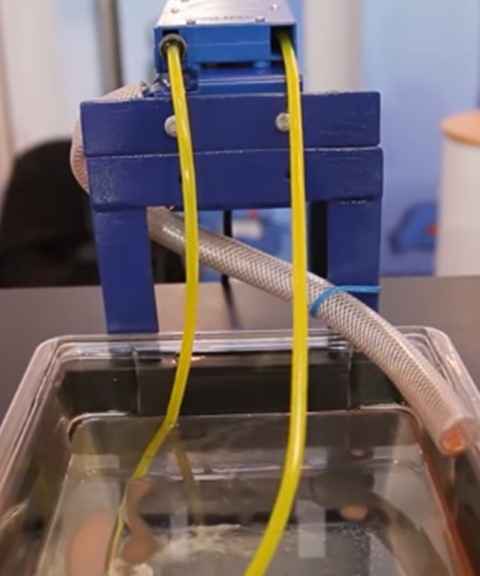
The tube oil skimmer can be easily mounted on the side of virtually any machining center coolant sump. By use of an existing opening or by making a small access cutout, the collector tube runs through the surface of the coolant and collects the unwanted oils. The oil then flows out the discharge tube into any waste oil container for easy disposal.
Many people prefer the belt skimmers when there is direct access overhead, but this is often not the case. Some applications will not have vertical access to the liquid. Tube oil skimmers allow the unit to reach in a side access point and go down to the surface. The tube oil skimmer can be an easy solution to a troubling problem.
Oil Concentrator (Oil Water Separator)
Under most operating conditions, tube oil skimmer picks up oil with only small traces of water or coolant. However, as surface oil is reduced to a thin layer (1/16 inch thick or less), more water (or coolant) may be picked up along with the oil. When used in tandem with the tube oil skimmer, the oil concentrator solves this problem by providing final phase separation. The result is water (or coolant) available for recycling, and virtually water-free oil for disposal.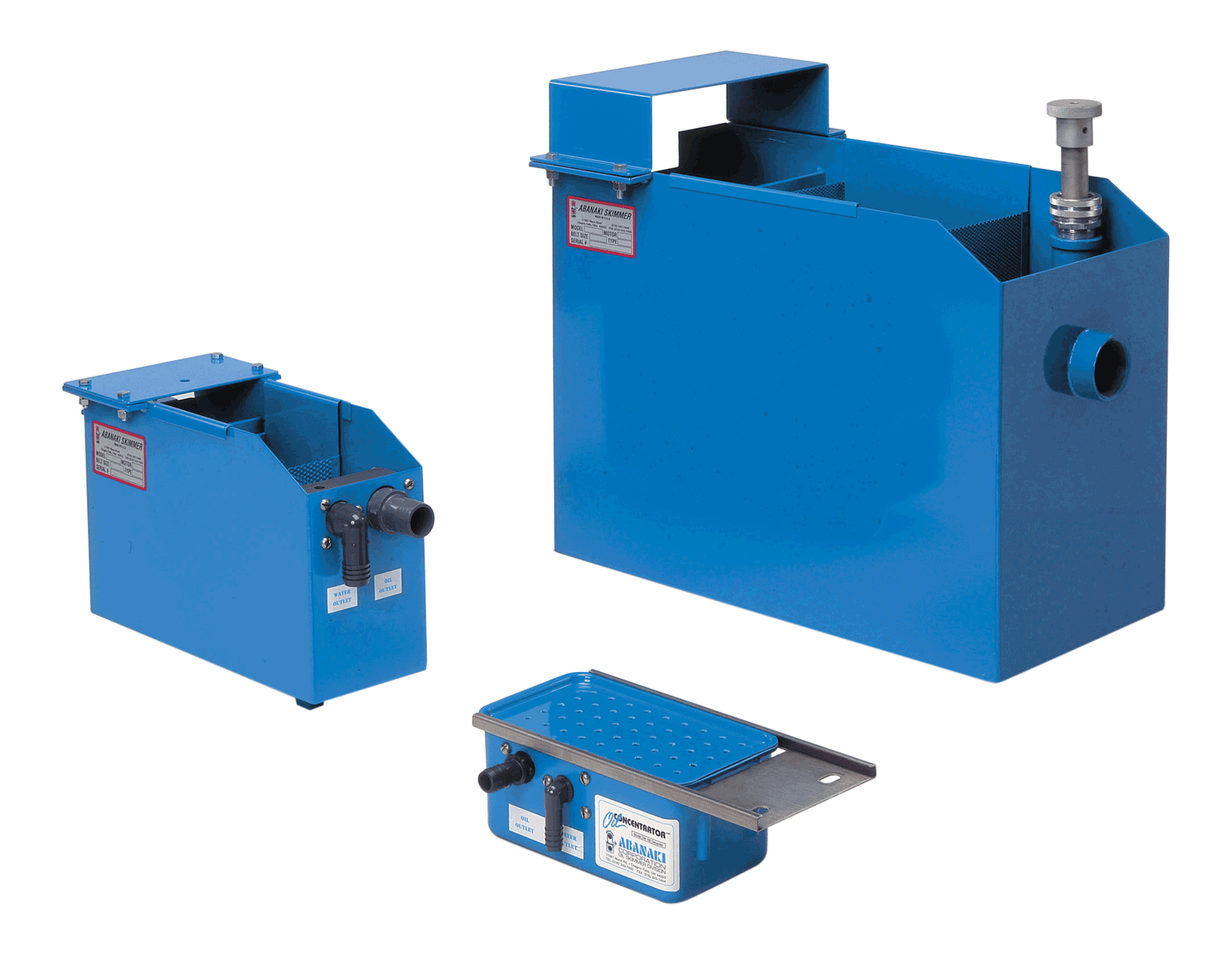
This oil concentrator is non-electrical and contains no moving parts — it simply receives liquid directly from the tube oil skimmer. Water discharge is through a tube that has an open end near the bottom of it, while oil flow is through a separate drain port near the top. As additional liquid enters it, water and oil are forced out through their respective disposal tubes.
To learn more about oil skimmers, please contact our experts at 440-543-7400 or visit our website: www.abanaki.com
Read more
How To Identify High-Quality Disk Oil Skimmer | Abanaki
Disk oil skimmers offer an efficient option for removing tramp oil from coolant yet finding a high-quality unit offering durability can be tough. When properly selected and applied, disk oil skimmers are highly economical solutions for separating oil from water to allow its reuse or safe disposal.
How Do Disk Oil Skimmers Work?
Disk oil skimmers rotate a disk-shaped medium through the liquid. Oil is wiped off and discharged into a collection container in a manner similar to belt oil skimmers.
When specifying disk diameter, it is important to consider reach, the portion of the disk that actually gets immersed. Less disk area in the fluid means less oil removed. Obviously, fluctuating fluid levels can be a real problem.
Also, it is important to look at how much of the disk the wipers are actually wiping. If they wipe only 2 inches from the edge, then any reach into the fluid beyond 2 inches is wasted. As a result, removal capacities for disks can be relatively low.
Are You Buying High-Quality Disk Oil Skimmer?
Abanaki, the recognized leader in oil skimming, offers a low-cost disk skimmer for removing tramp oil from CNC machine coolant maintaining a high-quality product standard. The Abanaki Mighty Disk™ Oil Skimmer offers versatility while extending coolant life in machine tools.
This video demonstrates the important features on how to differentiate the high-quality disk oil skimmer from the regular disk oil skimmer. Watch the details on this small but mighty solution to extending coolant life.
The Abanaki Mighty Disk oil skimmer:
To learn more about oil skimmers, please contact our experts at 440-543-7400 or visit our website: www.abanaki.com
Read more
How to Successfully Implement Oil Skimmers | Abanaki
Removing oil from water is a crucial step in many processes across numerous industries. From extending tool life to staying in compliance with government agencies, oil skimmers provide a cost-effective solution to removing oil from water or coolant.
Understanding How Skimmers Work
Despite the various designs that oil skimmers have, all of them rely on the same basic principles: Specific gravity and Surface tension and affinity.
Specific Gravity: Most hydrocarbons have a lower specific gravity than water. Without agitation, oil separates from the water and floats to the surface.
Surface Tension and Affinity: Normally, oil bonds more tightly to itself and other materials than to water. This affinity, and differences in surface tension between oil and water, cause oils to adhere to a skimming medium.
Understanding The Different Types of Skimmers
Not All Skimmers Are Alike!
Bigger Isn’t Always Better & Smaller Isn’t Always Cheaper
Choosing a skimmer based on size speculation can be a costly mistake. Buying the smallest skimmer available because it is the cheapest or purchasing the biggest skimmer because you think it will work faster will not lead to successful skimming results.
Make A Plan Before Buying Oil Skimmer
Planning is important! Before spending money on a concrete pad and mounting arrangements, check where the oil actually collects in your process.
Selecting an oil skimmer can be a complex decision-making process. There are various factors you have to consider about your application when choosing the right skimmer. However, Abanaki oil skimmers are durable and built to last, even in harsh applications. They have been proven in thousands of applications and are an environmental solution to unwanted oil in water.
Selecting and sizing your next oil skimmer correctly is important – the wrong decision can cost your facility thousands over the long term. Learn how Abanaki oil skimmers help you save by “taking just a little off the top.” by watching the webinar below.
To learn more about oil skimmers, please contact our experts at 440-543-7400 or visit our website: www.abanaki.com
Read more
Oil Skimmers Help Dirty Jobs in Steel Mills | Abanaki
Oil skimming is a dirty job. However, it is an important part of numerous industries. Some industries utilize oil skimmers to help stay in compliance with EPA regulations and to keep hydrocarbons out of the environment. Other industries need oil skimmers to help prolong tool life or keep the work place a healthy place for the plant operators. Regardless of the reason, oil skimmers offer a simple, cost-effective, and environmentally sound solution to removing hydrocarbons from any application.
Oil Skimmers Get the Dirty Jobs Done
Steel mills worldwide use Abanaki oil skimmers to help handle some of the dirties jobs on site. In the video below oil skimmers are shown cleaning burned lubricant from a wash tank. In steel laminating facilities, big ball bearings are lubricated during the process. However due to the extreme heat of the operation, some of the lubricant burns, creating a charred goop that needs to be removed from the process. This is where the oil skimmer steps in and does the job that no one wants to do. Clean up all of the burnt and foul-smelling muck!
Model 8 Belt Oil Skimmer
Oil skimming can be a tough and dirty job, however with the help of oil skimmers the job can get completely efficiently. Would an oil skimmer help with your application? Need help determining which oil skimmer would work best? Use our new interactive oil skimmer selection guide and find the perfect skimmer for your dirty job!
To learn more about oil skimmers, please contact our experts at 440-543-7400 or visit our website: www.abanaki.com
Read more
7 Common Mistakes That Lead to the Wrong Oil Skimmer | Abanaki
Selecting an oil skimmer can be a complex decision-making process. There are various factors you have to consider about your application when choosing the right skimmer. Here is a guide to help you avoid the 7 common mistakes that are made when purchasing an oil skimmer.
Under-Sizing Your Skimmer
Improper Placement of Oil Skimmers
Planning is important! Before spending money on a concrete pad and mounting arrangements, check where the oil actually collects in your process. Oil skimmers should be located opposite from the inflow and the tail pulley should be submerged two inches below the surface of the liquid in order to be as effective as possible.
Paying for a Complicated Solution
Oil skimming usually beats ultra-filtration systems in many applications. More often than not, installing large, complicated systems to remedy oil problems will not provide ideal results. You can save costs by using a relatively inexpensive oil skimming system to handle the free-floating oil and then a smaller treatment system to handle the oil that has remained suspended in the wastewater.
Not Telling Your Consultant or Vendor Everything
Choosing the Wrong Oil Skimming Material
There are several things to consider when choosing a belt or tube material for your oil skimmer. Some plastics will not stand up to heat or strong chemicals. Certain metal belts will not skim coolants effectively. Smooth belts do no pick up floating emulsified oils. Specific plastic belts do not last in heated applications, while other types of plastic belts will.
Lack of Maintenance and Basic Care
Buying from an Unknown Vendor Based on Price
Like most things in life, you get what you pay for. Buying from small, unheard of oil skimmer manufacturers will probably result in no customer support when maintenance issues pop up and little to no knowledge of how to resolve those issues. Furthermore, parts will need to be replaced over time, units might have to be changed or upgraded, or different belt materials need to be used. Disreputable vendors typically do not have a selection of materials or parts to choose from.
To learn more about oil skimmers, please contact our experts at 440-543-7400 or visit our website: www.abanaki.com
HOW TO TELL WHAT SKIMMER YOU NEED FOR YOUR MACHINE COOLANT
Have you ever looked at your coolant and wondered what type skimmer would work best in your machine sump? In this video, we talk about what oil skimmer works well in various coolant applications.
Read more
Oil Skimmer Removes Grease from Steel Manufacturing Wastewater | Abanaki
Abanaki Grease Grabber® Belt Oil Skimmer
To avoid fines from government and municipal sewer districts, steel mills must limit the amount of grease in wastewater discharged into the environment. The Grease Grabber® oil and grease skimmer provides a continuously operating belt and wiper that can remove up to 160 gallons per hour of heavy greases and oils. Depending on the characteristics of the liquid, the oil/grease skimmer is capable of reducing grease content to fewer than five parts-per-million in water. Reclaimed grease and oil can be re-used or used as furnace fuel, avoiding sucker truck disposal costs.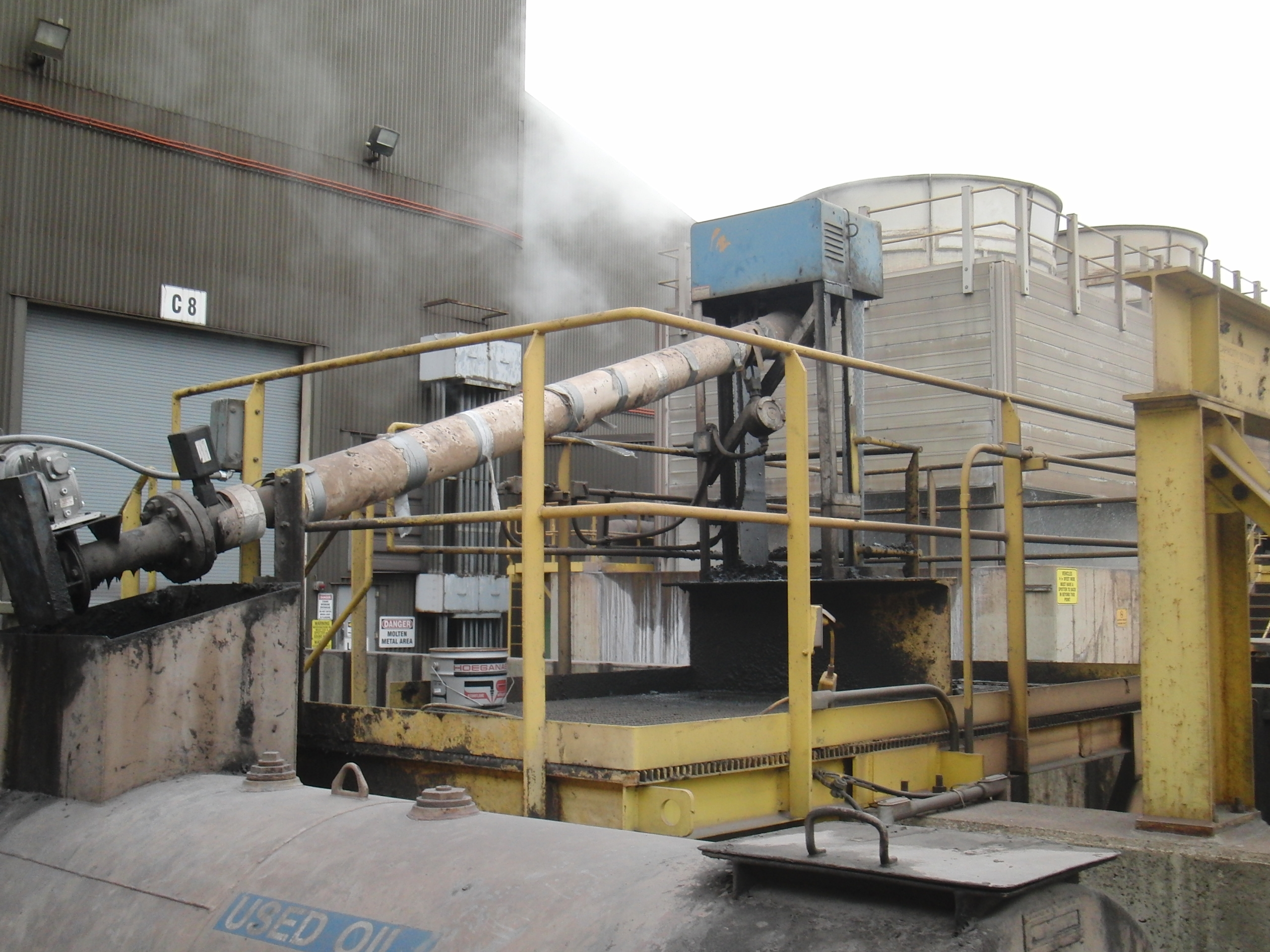
How Does Grease Grabber® Belt Oil Skimmer work?
Using a double drive roller and tail pulley system, the grease skimmer belt runs through wastewater to pick up grease and heavy oil from the surface. The belt travels over the head pulley and then passes through tandem wiper blades, from which oil is scraped off both sides and discharged. A heated hopper keeps grease flowing in cold outdoor temperatures.
The tail pulley features flanges that allow the pulley to roll freely on the inside of the belt without becoming dislodged in turbulent applications. No bearings are needed; the unit does not need to be fastened to the tank. An optional tether and cage assembly is offered to prevent the tail pulley from being dislodged. The Grease Grabber oil skimmer can be used in pits with depths as shallow as one foot or as deep as 100 feet.
To find out which of our skimmers would suit your application the best, please contact our experts at 440-543-7400, or click the button below to get more information about Grease Grabber.
Removing Grease and Oil from Water | Grease Oil Skimmer
To learn more about oil skimmers, please contact our experts at 440-543-7400 or visit our website: www.abanaki.com
Read more