 https://www.abanaki.com/wp-content/uploads/july-2026-featured-image.jpg
541
1024
Skimmers
https://www.abanaki.com/wp-content/uploads/abanaki-logo-sized3.gif
Skimmers2026-06-30 11:21:212026-06-30 11:48:22Troubleshooting Issues With Your Belt Oil Skimmer
https://www.abanaki.com/wp-content/uploads/july-2026-featured-image.jpg
541
1024
Skimmers
https://www.abanaki.com/wp-content/uploads/abanaki-logo-sized3.gif
Skimmers2026-06-30 11:21:212026-06-30 11:48:22Troubleshooting Issues With Your Belt Oil Skimmer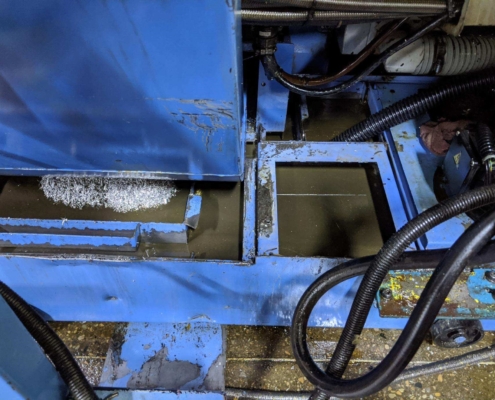 https://www.abanaki.com/wp-content/uploads/Oil-Boss-Before-Kirsan.jpg
1374
1832
Tom Hobson
https://www.abanaki.com/wp-content/uploads/abanaki-logo-sized3.gif
Tom Hobson2026-05-27 10:14:422026-06-18 15:30:31Rising Tungsten Carbide Costs: How Oil Skimmers Help CNC Shops Protect Their Tooling Investment | Abanaki
https://www.abanaki.com/wp-content/uploads/Oil-Boss-Before-Kirsan.jpg
1374
1832
Tom Hobson
https://www.abanaki.com/wp-content/uploads/abanaki-logo-sized3.gif
Tom Hobson2026-05-27 10:14:422026-06-18 15:30:31Rising Tungsten Carbide Costs: How Oil Skimmers Help CNC Shops Protect Their Tooling Investment | Abanaki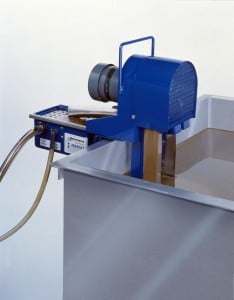 https://www.abanaki.com/wp-content/uploads/rosemont-3628-tote-it-application-photo-21-234x300-1.jpg
300
234
admin
https://www.abanaki.com/wp-content/uploads/abanaki-logo-sized3.gif
admin2026-04-20 14:54:002026-06-04 11:37:28Oil Skimming Deathmatch: Belt Skimmer vs. Tube Skimmer
https://www.abanaki.com/wp-content/uploads/rosemont-3628-tote-it-application-photo-21-234x300-1.jpg
300
234
admin
https://www.abanaki.com/wp-content/uploads/abanaki-logo-sized3.gif
admin2026-04-20 14:54:002026-06-04 11:37:28Oil Skimming Deathmatch: Belt Skimmer vs. Tube Skimmer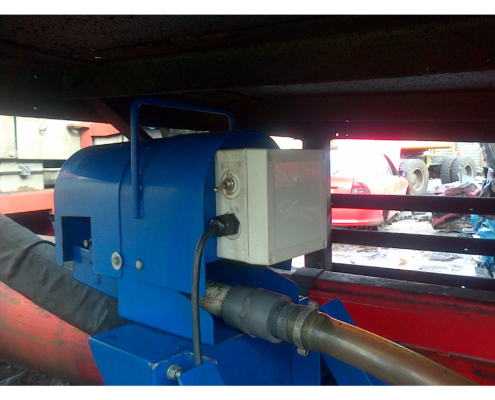 https://www.abanaki.com/wp-content/uploads/Tote-It.jpg
2048
2048
admin
https://www.abanaki.com/wp-content/uploads/abanaki-logo-sized3.gif
admin2026-03-23 19:15:002026-06-03 10:00:11Keep Your Parts Clean and Coolant Fresh with a Reliable Tote-It Oil Skimmer | Abanaki
https://www.abanaki.com/wp-content/uploads/Tote-It.jpg
2048
2048
admin
https://www.abanaki.com/wp-content/uploads/abanaki-logo-sized3.gif
admin2026-03-23 19:15:002026-06-03 10:00:11Keep Your Parts Clean and Coolant Fresh with a Reliable Tote-It Oil Skimmer | Abanaki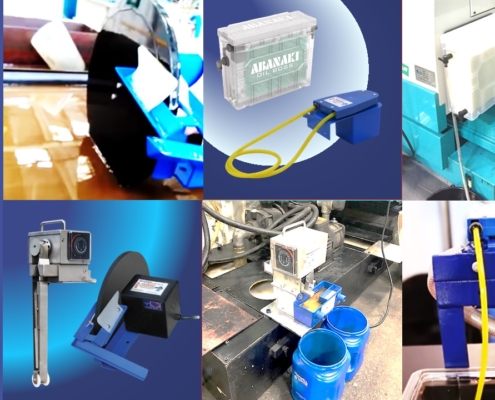 https://www.abanaki.com/wp-content/uploads/ABA-Aug22-Newsletter6.jpg
720
1280
admin
https://www.abanaki.com/wp-content/uploads/abanaki-logo-sized3.gif
admin2026-02-23 15:10:002026-06-04 11:38:31Cracking the Code of Oil Skimmers | Abanaki
https://www.abanaki.com/wp-content/uploads/ABA-Aug22-Newsletter6.jpg
720
1280
admin
https://www.abanaki.com/wp-content/uploads/abanaki-logo-sized3.gif
admin2026-02-23 15:10:002026-06-04 11:38:31Cracking the Code of Oil Skimmers | Abanaki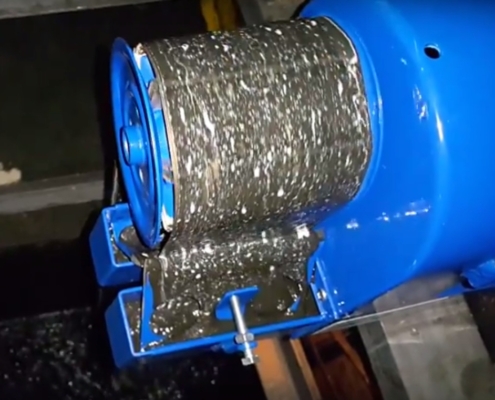 https://www.abanaki.com/wp-content/uploads/dirty_skimmer-1.jpg
761
983
Tom Hobson
https://www.abanaki.com/wp-content/uploads/abanaki-logo-sized3.gif
Tom Hobson2026-01-26 14:46:192026-06-04 11:40:35How Efficient Is an Oil Skimmer? A Smart Solution to Waste Oil Recovery
https://www.abanaki.com/wp-content/uploads/dirty_skimmer-1.jpg
761
983
Tom Hobson
https://www.abanaki.com/wp-content/uploads/abanaki-logo-sized3.gif
Tom Hobson2026-01-26 14:46:192026-06-04 11:40:35How Efficient Is an Oil Skimmer? A Smart Solution to Waste Oil Recovery https://www.abanaki.com/wp-content/uploads/Fracking.jpg
300
200
admin
https://www.abanaki.com/wp-content/uploads/abanaki-logo-sized3.gif
admin2025-12-15 21:15:002026-06-04 11:41:30Belt Oil Skimmers for Effective Fracking Wastewater Management | Abanaki
https://www.abanaki.com/wp-content/uploads/Fracking.jpg
300
200
admin
https://www.abanaki.com/wp-content/uploads/abanaki-logo-sized3.gif
admin2025-12-15 21:15:002026-06-04 11:41:30Belt Oil Skimmers for Effective Fracking Wastewater Management | Abanaki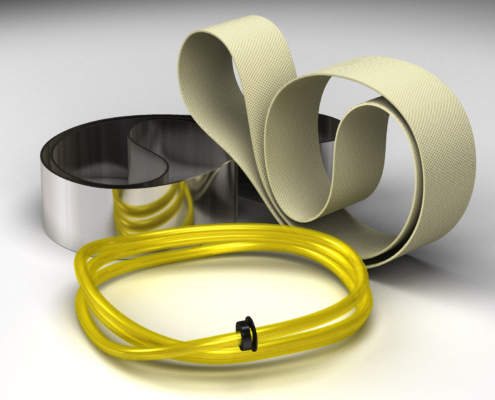 https://www.abanaki.com/wp-content/uploads/SSB3.jpg
1279
1800
admin
https://www.abanaki.com/wp-content/uploads/abanaki-logo-sized3.gif
admin2025-11-17 20:45:002026-06-04 11:42:47Key Factors for Selecting the Ideal Belt for Oil Skimmers | Abanaki
https://www.abanaki.com/wp-content/uploads/SSB3.jpg
1279
1800
admin
https://www.abanaki.com/wp-content/uploads/abanaki-logo-sized3.gif
admin2025-11-17 20:45:002026-06-04 11:42:47Key Factors for Selecting the Ideal Belt for Oil Skimmers | Abanaki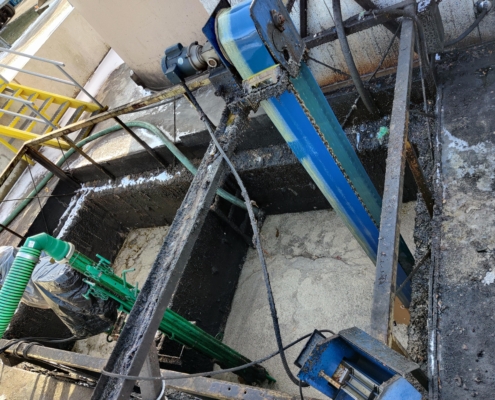 https://www.abanaki.com/wp-content/uploads/M87-scaled.jpg
1920
2560
admin
https://www.abanaki.com/wp-content/uploads/abanaki-logo-sized3.gif
admin2025-10-27 16:15:002026-06-04 11:50:51The Pitfalls of Under-sizing Your Oil Skimmer | Abanaki
https://www.abanaki.com/wp-content/uploads/M87-scaled.jpg
1920
2560
admin
https://www.abanaki.com/wp-content/uploads/abanaki-logo-sized3.gif
admin2025-10-27 16:15:002026-06-04 11:50:51The Pitfalls of Under-sizing Your Oil Skimmer | Abanaki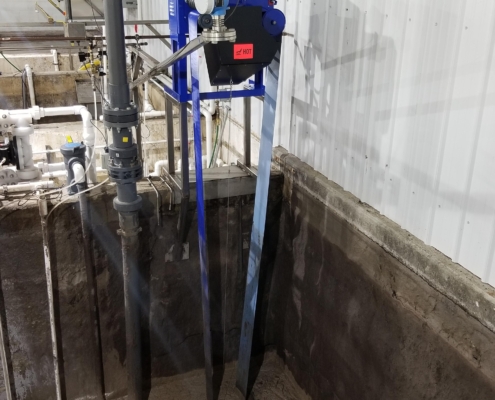 https://www.abanaki.com/wp-content/uploads/GG-Hearthside-Foods2-scaled.jpg
2560
1920
admin
https://www.abanaki.com/wp-content/uploads/abanaki-logo-sized3.gif
admin2025-09-22 21:30:002026-06-04 11:51:47Oil Skimming Uncovered: Myths vs. Reality | Abanaki
https://www.abanaki.com/wp-content/uploads/GG-Hearthside-Foods2-scaled.jpg
2560
1920
admin
https://www.abanaki.com/wp-content/uploads/abanaki-logo-sized3.gif
admin2025-09-22 21:30:002026-06-04 11:51:47Oil Skimming Uncovered: Myths vs. Reality | Abanaki https://www.abanaki.com/wp-content/uploads/2015/06/px3.jpg
279
163
admin
https://www.abanaki.com/wp-content/uploads/abanaki-logo-sized3.gif
admin2025-08-25 15:45:002026-06-04 11:52:43The Essential Role of Belt Oil Skimmers in Groundwater Remediation Solutions | Abanaki
https://www.abanaki.com/wp-content/uploads/2015/06/px3.jpg
279
163
admin
https://www.abanaki.com/wp-content/uploads/abanaki-logo-sized3.gif
admin2025-08-25 15:45:002026-06-04 11:52:43The Essential Role of Belt Oil Skimmers in Groundwater Remediation Solutions | Abanaki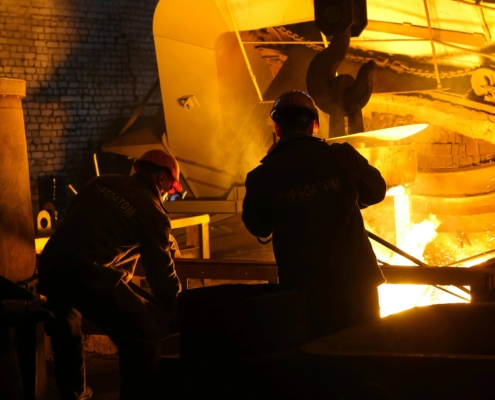 https://www.abanaki.com/wp-content/uploads/pexels-kateryna-babaieva-1423213-3736110-scaled.jpg
1707
2560
admin
https://www.abanaki.com/wp-content/uploads/abanaki-logo-sized3.gif
admin2025-07-21 19:15:002026-06-04 11:53:47Oil Skimming Solutions for Steel Mills: Achieving Water Quality and Sustainability | Abanaki
https://www.abanaki.com/wp-content/uploads/pexels-kateryna-babaieva-1423213-3736110-scaled.jpg
1707
2560
admin
https://www.abanaki.com/wp-content/uploads/abanaki-logo-sized3.gif
admin2025-07-21 19:15:002026-06-04 11:53:47Oil Skimming Solutions for Steel Mills: Achieving Water Quality and Sustainability | Abanaki