
Abanaki Corporation Oil Skimming Division
17387 Munn Road
Chagrin Falls, OH 44023
Phone: (440) 543-7400
Email: skimmers@abanaki.com
Fax: (440) 543-7404
ISO 9001:2015 Certified Company
Terms and Conditions

Abanaki Corporation Oil Skimming Division
17387 Munn Road
Chagrin Falls, OH 44023
Phone: (440) 543-7400
Email: skimmers@abanaki.com
Fax: (440) 543-7404
ISO 9001:2015 Certified Company
Terms and Conditions
Cracking the Code of Oil Skimmers | Abanaki
Oil skimmers are essential tools in various industries, from manufacturing to wastewater treatment, where the removal of oils, fats, and other hydrocarbons from water surfaces is necessary. Despite their importance, many people still have questions about oil skimmers and their functionalities. We’ll address some of the common queries surrounding oil skimmers to shed light on their role and operation.
What is an oil skimmer, and how does it work?
An oil skimmer is a device designed to remove floating oils, greases, and other hydrocarbons from the surface of water or other liquids. It operates on the principle of surface tension, using various mechanisms such as belts, discs, or drums to attract and collect oil while allowing water to pass through. Essentially, it skims the oil from the surface, separating it from the liquid.
Where are oil skimmers used?
Oil skimmers find applications in a wide range of industries, including but not limited to:
What types of oil skimmers are available?
There are several types of oil skimmers available, each suited for different applications and environments. Some common types include:
How do I choose the right oil skimmer for my application?
Selecting the right oil skimmer depends on various factors, including the type and viscosity of the oil to be removed, the size of the area requiring skimming, the flow rate of the liquid, and environmental conditions. Consulting with an experienced supplier or manufacturer can help determine the most suitable skimmer for your specific needs.
Are oil skimmers environmentally friendly?
Yes, oil skimmers are environmentally friendly as they help prevent oil pollution and contamination of water bodies. By efficiently removing oils and hydrocarbons from the surface, they contribute to cleaner water and support environmental conservation efforts.
What maintenance is required for oil skimmers?
Regular maintenance is essential to ensure the optimal performance of oil skimmers. This may include cleaning the skimming elements, inspecting and replacing worn-out parts, checking for leaks, and ensuring proper adjustment of the skimmer settings. Following the manufacturer’s guidelines and scheduling routine maintenance checks can help prolong the lifespan of the skimmer and prevent costly downtime.
Oil skimmers play a crucial role in various industries by effectively removing oils, greases, and other hydrocarbons from water surfaces. Understanding how they work and addressing common questions surrounding their usage can help businesses make informed decisions when selecting and maintaining oil skimming equipment. By choosing the right skimmer and implementing proper maintenance practices, companies can enhance efficiency, reduce environmental impact, and ensure compliance with regulations governing oil pollution control.
Read more
How Efficient Is an Oil Skimmer? A Smart Solution to Waste Oil Recovery
Waste oil recovery is a critical part of any industrial operation, from metalworking and machining to wastewater treatment and food processing. Oil contamination in coolants, wash water, or sump pits can lead to increased operating costs, foul odors, premature equipment failure, and even regulatory violations.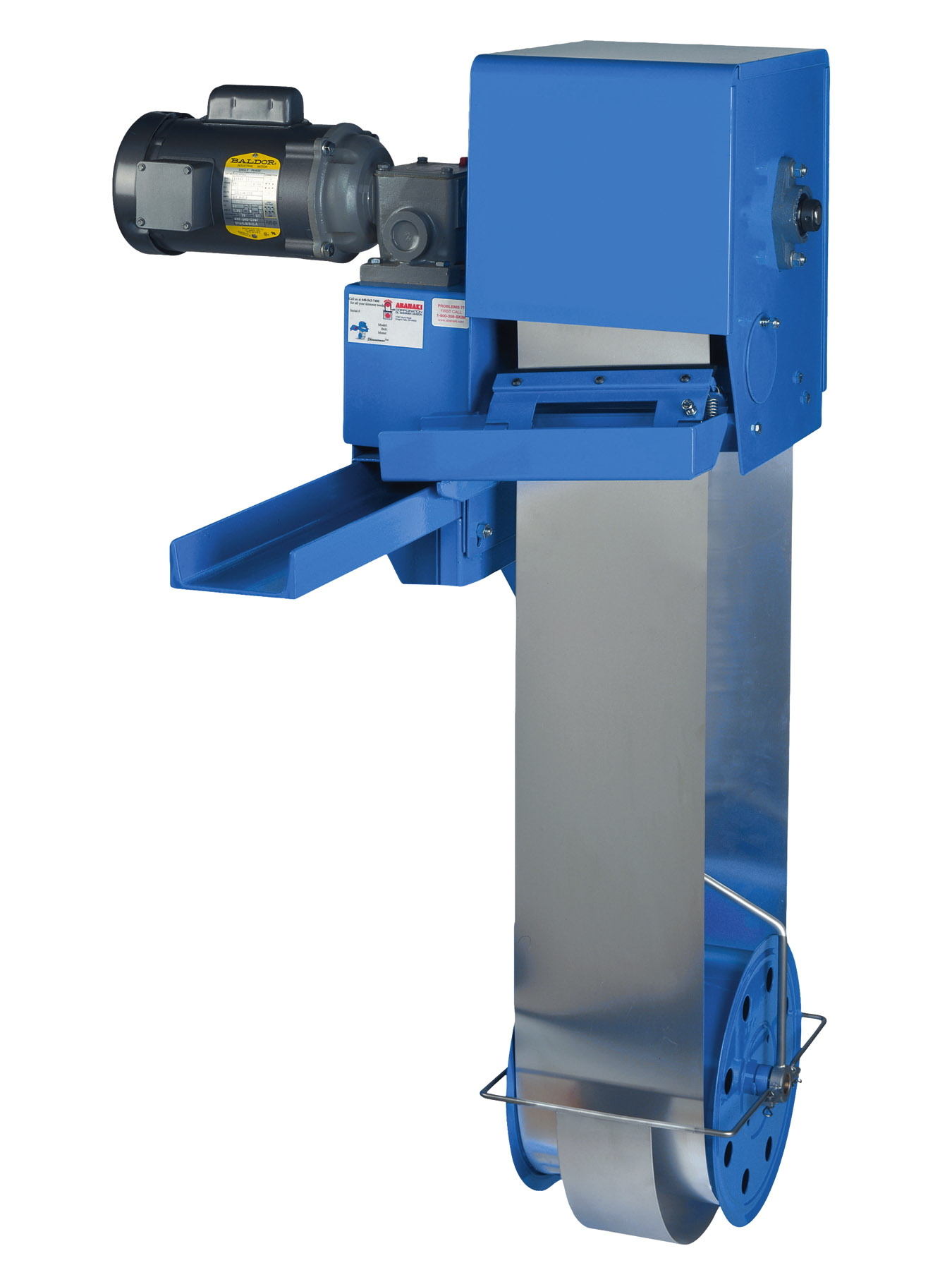
Fortunately, there’s a simple and effective solution: oil skimmers.
These straightforward devices efficiently remove floating oils from water or coolant, offering both environmental and financial benefits. But just how efficient are they—and what kind of results can you really expect?
Why Waste Oil Recovery Matters
Recovering used oil is about more than just good housekeeping. It’s a vital step toward:
Oil that accumulates on the surface of coolant tanks or wastewater systems doesn’t just sit there harmlessly. It fosters bacterial growth, contributes to foul odors, interferes with filtration, and shortens the life of both coolant and cutting tools. More importantly, discharging oil-contaminated water can lead to steep fines or legal consequences under environmental regulations.
Check out our Oil Skimming Guide to learn more.
When companies take the time to properly remove and manage waste oil, they’re not only protecting their operations—they’re also improving safety, cleanliness, and sustainability.
What Makes an Oil Skimmer Efficient?
An oil skimmer is a mechanical device designed to continuously remove oil that floats on the surface of water or coolant. Whether it uses a belt, tube, disk, or drum, the goal is the same: attract and collect surface oils with minimal water carryover.
The efficiency of a skimmer depends on several key factors:
Well-designed skimmers can operate 24/7 with minimal maintenance, often removing several gallons of oil per hour. Over days or weeks, that adds up to a significant volume of recovered waste oil—and a huge reduction in disposal costs.
7 Key Benefits of Using an Oil Skimmer
Here’s why an oil skimmer is one of the most efficient, cost-effective tools you can add to your operation:
Disposing of coolant contaminated with oil is far more expensive than disposing of oil alone. Skimming the oil reduces the volume of hazardous waste, which significantly cuts disposal expenses.
Recovered oil can sometimes be reused in other areas of your operation, or even sold for recycling—creating a small but meaningful revenue stream from what would otherwise be waste.
Tramp oil speeds up coolant degradation. Removing surface oil helps maintain coolant quality longer, meaning fewer fluid changes and less downtime.
Oil-contaminated coolant often generates smoke when it contacts hot tools. Skimming removes the oil, reducing smoke and making the work area cleaner and healthier.
Oil-free coolant lowers bacterial growth and protects machine components from corrosion, resulting in fewer maintenance issues and longer-lasting equipment.
Skimmers help facilities meet wastewater discharge standards and stay in compliance with EPA or local environmental laws, reducing the risk of fines or operational shutdowns.
By removing surface oil, skimmers prevent anaerobic bacteria buildup‚Äîeliminating the unpleasant “rotten egg” smell that can develop in coolant tanks or wastewater systems.
A Simple Device with Serious Impact
One of the best things about oil skimmers is how simple they are to use. Most models can be mounted directly to the side of a tank or pit and begin working right away. Once installed, they require only routine maintenance like cleaning the collection surface or occasionally replacing a belt or wiper blade.
Their low energy use, minimal operator involvement, and around-the-clock operation make them incredibly efficient over time. In many cases, a single skimmer can replace the need for expensive absorbent materials or chemical treatments—and operate more reliably in the long run.
Oil skimmers may be small, but their benefits are enormous. From reducing environmental risks to improving air quality, extending coolant life, and lowering operational costs, these devices offer a simple solution to a complex and expensive problem.
Whether you run a small machine shop or manage a large manufacturing plant, an oil skimmer is one of the most effective, low-maintenance tools you can add to your operation.
Belt Oil Skimmers for Effective Fracking Wastewater Management | Abanaki
Fracking, or hydraulic fracturing, is a widely employed technique in the extraction of natural gas, where tools like belt oil skimmers play a crucial role in managing the resulting wastewater. This process involves injecting a high-pressure mixture of water, sand, and chemicals deep into underground shale rock formations to create fractures. These fractures allow the trapped natural gas to be released and extracted efficiently. While the method itself is not new—it has been in use for over 60 years and applied to more than one million wells—it continues to generate debate due to its environmental impact, particularly concerning water usage and wastewater management.

Hydraulic fracturing operations require substantial amounts of water. A single fracking well typically consumes millions of gallons of water, with the composition of the fracturing fluid being approximately 98.0-99.5 percent water and sand. The remaining fraction consists of chemical additives, which vary based on the characteristics of both the water used and the specific shale formation being fractured. Once injected, a portion of this fluid—ranging from 20 to 40 percent—returns to the surface as flowback water. This water is often contaminated with not only the original chemical additives but also naturally occurring substances from deep underground, including heavy metals, salts, and hydrocarbons.
The disposal and treatment of fracking wastewater pose significant environmental challenges. Proper management of this wastewater is essential to prevent contamination of groundwater and surface water sources. One effective solution for addressing oil contamination in fracking wastewater is the use of oil skimming technology. Oil skimmers take advantage of the differences in specific gravity and surface tension between oil and water, allowing them to efficiently remove floating hydrocarbons from the wastewater before disposal or further treatment.
Belt Oil Skimmers: Efficient and Eco-Friendly Wastewater Treatment
Belt oil skimmers, in particular, offer an environmentally responsible and cost-effective method for removing trace amounts of oil from fracking wastewater. These skimmers operate by continuously attracting oil to a moving belt, which then scrapes off the contaminants and collects them in a designated container. With the ability to function in depths of up to 100 feet and operate 24/7 with minimal supervision, belt oil skimmers provide a low-maintenance and energy-efficient solution for wastewater treatment facilities.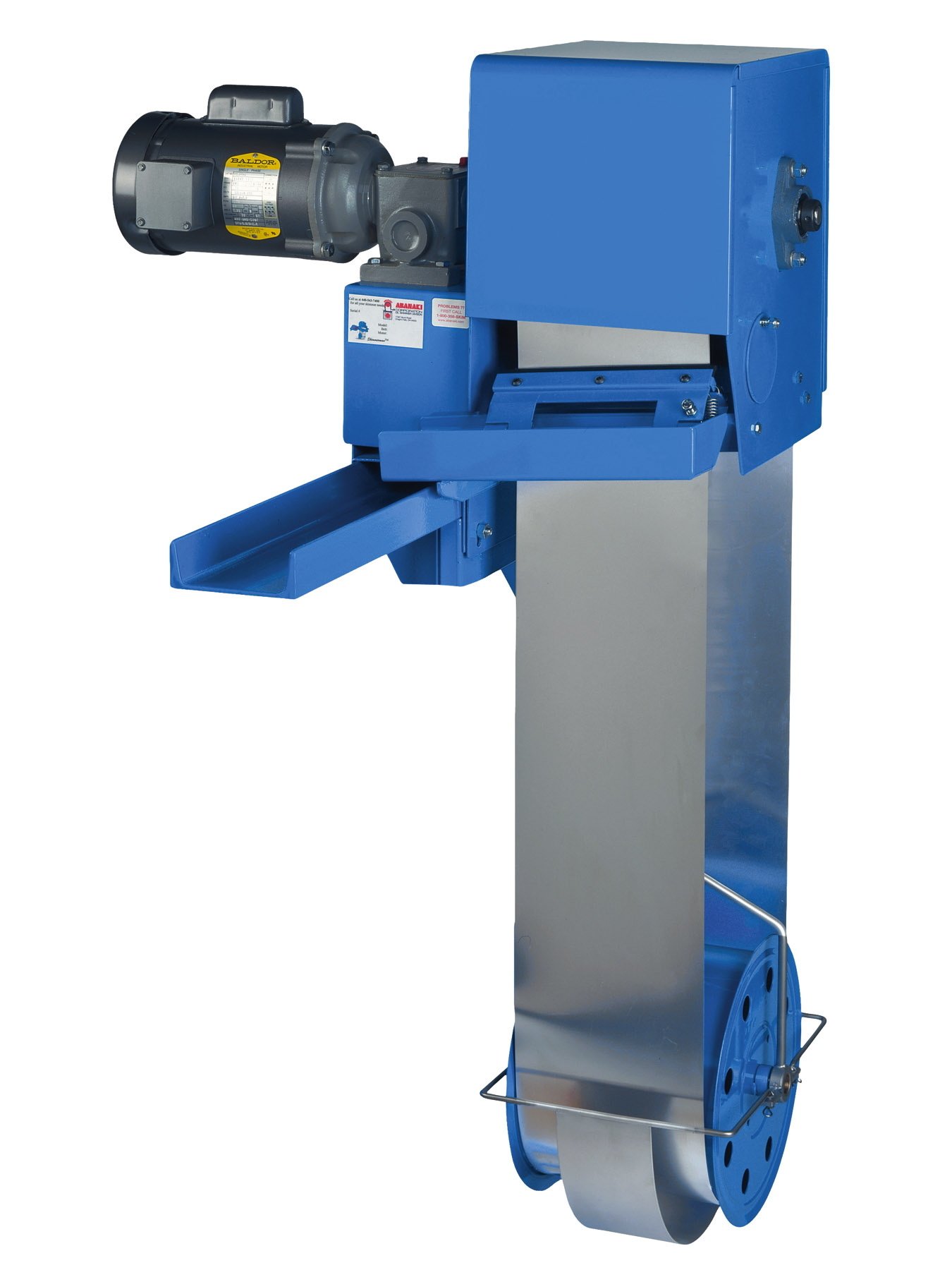
Beyond fracking applications, oil skimming technology is widely used across various industries. Companies rely on oil skimmers for industrial wastewater treatment, groundwater remediation, and coolant management in machine shops. By effectively removing oil from these fluids, skimmers help businesses comply with municipal and Environmental Protection Agency (EPA) water quality regulations while also extending the lifespan of machine tool coolants. Additionally, oil skimming serves as a valuable pre-treatment step before filtration, preventing oil from clogging or reducing the efficiency of filter media.
As concerns over water contamination and environmental sustainability continue to grow, the role of advanced wastewater treatment solutions, including oil skimmers, becomes increasingly critical. Implementing such technologies ensures that industries utilizing hydraulic fracturing and other water-intensive processes can mitigate their ecological footprint while maintaining compliance with regulatory standards.
Read more
Key Factors for Selecting the Ideal Belt for Oil Skimmers | Abanaki
When it comes to selecting the right belt for oil skimming applications, a one-size-fits-all approach doesn’t work. The performance and longevity of your equipment depend on carefully evaluating your specific needs and operating conditions. Below, we address three essential questions to help you determine the best belt for your application.
Check out our Oil Skimming Guide to learn more.
1. What Kind of Oil Are You Trying to Skim?
The type of oil you’re dealing with significantly impacts the choice of your belt material. Different oils—such as tramp oil, fuel oil, or gear oil—have varying viscosities and characteristics that influence the belt’s effectiveness.
Choosing the right material ensures that your skimming process is efficient and minimizes downtime. Using a belt tailored to the specific oil type also prevents unnecessary wear and tear, extending the lifespan of your equipment.
2. Are There Any Cleaners or Chemicals Involved?
The pH levels and chemical composition of your solution are critical factors to consider. If cleaners or harsh chemicals are present in the tank or pit, you’ll need to invest in belts and units designed to withstand these conditions.
Understanding the chemical profile of your environment helps you choose a belt that will perform reliably without premature wear or damage. Neglecting this factor can lead to frequent equipment failures, increasing maintenance costs and reducing overall productivity.
3. What Is the Temperature of the Water or Solution?
Temperature can have a significant impact on belt performance and longevity. High temperatures can cause certain materials to warp or degrade, while low temperatures may affect the belt’s flexibility.
Knowing the temperature range of your application helps ensure your belt functions consistently under varying conditions. Temperature extremes can compromise the material properties of the belt, leading to inefficiencies or breakdowns during operation.
Additional Considerations for Belt Selection
There is a great deal of variance in applications where belt skimmers are present. Figuring out the best belt material for your skimmer will depend on several factors. While belts generally pick up oil in the same fashion, the big difference lies in selecting a material that offers the longest operating life.
The two primary factors that influence your belt choice are the combination of temperature and pH levels. These factors typically dictate whether you should use a steel, elastomer, or polymer belt:
When in doubt, it is best to consult with a representative and provide details about your application to determine the most suitable material for your belt skimmer.
Other Factors to Consider
While the three questions above provide a strong starting point, there are additional factors to keep in mind when choosing a belt for your oil skimming system:
Expert Advise
Answering these questions provides a solid foundation for determining the best belt for your oil skimming needs. By understanding the type of oil you’re skimming, the chemical environment, and the temperature conditions, you can select a belt that maximizes efficiency, durability, and cost-effectiveness.
When rust inhibitors are present, avoid steel belts to maintain optimal pick-up rates. Consulting with a professional can help tailor your equipment to your specific application, ensuring your skimming system operates at peak performance.
Read more
The Pitfalls of Under-sizing Your Oil Skimmer | Abanaki
When it comes to choosing an oil skimmer, the adage “you get what you pay for” often rings true. A common misconception is that purchasing a smaller skimmer based on gallons-per-hour skimming capacity can save money on larger oil removal tasks. However, this approach can lead to ineffective oil skimming and long-term inefficiencies that outweigh the initial savings.
Check out our Oil Skimming Guide to learn more.
Why Under-sizing Your Skimmer is a Mistake
Factors That Impact Skimmer Efficiency
The Rule of Thumb
To avoid the pitfalls of undersizing, always opt for an oil skimmer rated at least twice the capacity you believe you need. This provides a margin of safety and accounts for real-world inefficiencies that may arise. For example, if your application requires a skimmer capable of removing 20 gallons of oil per hour, invest in one rated for at least 40 gallons per hour. This approach not only ensures efficiency but also allows your operation to adapt to unexpected changes without requiring immediate equipment upgrades.
Additional Benefits of Proper Sizing
Conclusion
While it may be tempting to purchase a smaller oil skimmer to save money upfront, the long-term inefficiencies and ineffectiveness make this an unwise choice. By selecting a skimmer based on the size of the area to be skimmed and ensuring it has at least double the required capacity, you can achieve reliable and efficient oil removal for your application. Remember, investing in the right skimmer now will save you time, money, and effort down the road. Proper sizing not only enhances operational efficiency but also provides peace of mind, knowing that your equipment is prepared to handle both current and future challenges.
Read more
Oil Skimming Uncovered: Myths vs. Reality | Abanaki
Oil spills, whether on industrial sites or in marine environments, present significant challenges for containment and cleanup. Among the many methods for addressing spills, oil skimming—the process of removing oil from the surface of water—has gained widespread use due to its efficiency and environmental benefits. However, misconceptions about oil skimming can hinder its effective application. Let’s bust some common myths and reveal the truth about this powerful cleanup method!
Myth 1: Oil Skimmers Only Work in Calm Waters
Reality:
While calm conditions are ideal, modern oil skimming technology has evolved to function effectively in various environments, including rough waters and industrial settings. Many skimmers are designed to adapt to changing wave patterns, currents, or surface disturbances, making them versatile tools in both open water and confined areas like harbors or tanks.
Myth 2: Oil Skimming Removes All Oil in One Pass
Reality:
Oil skimming is a process, not a one-and-done solution. The efficiency of oil skimming depends on factors such as the type of oil, weather conditions, and the skimmer design. High-performing skimmers can remove significant amounts of oil, but additional passes or complementary cleanup methods (like dispersants or absorbents) may be required for complete removal.
Myth 3: All Skimmers Are the Same
Reality:
Not all oil skimmers are created equal. There are different types, each suited to specific scenarios:
Choosing the right skimmer for the job is essential for achieving optimal results.
Myth 4: Oil Skimming Is Ineffective for Large Spills
Reality:
Oil skimmers are integral to large-scale spill responses. When deployed in coordination with booms and other containment methods, skimmers can effectively recover substantial quantities of oil. Organizations like the U.S. Coast Guard and private environmental cleanup firms rely on skimming as a primary tool for managing significant spills.
Myth 5: Oil Skimmers Harm Marine Life
Reality:
Unlike chemical dispersants, which may have ecological consequences, oil skimmers are among the most environmentally friendly cleanup options. They physically remove oil from the water’s surface without introducing additional chemicals or toxins, minimizing harm to aquatic ecosystems.
Myth 6: Oil Skimming Only Works for Oil
Reality:
Skimmers aren’t limited to petroleum-based spills! They can remove a variety of surface contaminants, including food oils, grease, and other non-water-soluble substances. This versatility makes them invaluable across industries, from marine operations to manufacturing facilities.
Myth 7: Skimming Is a Standalone Solution
Reality:
Effective oil spill response often requires a combination of methods. While oil skimming plays a critical role, it works best alongside containment booms, vacuum pumps, and bioremediation techniques. Together, these tools ensure a more comprehensive cleanup.
Myth 8: Oil Skimmers Are Too Expensive
Reality:
Although the upfront cost of skimming equipment might seem high, its long-term value far outweighs the expense. Skimmers are reusable, durable, and can prevent costly environmental fines or damages, making them a cost-effective investment for industries and governments alike.
Conclusion: Understanding Oil Skimming’s True Potential
By exposing these myths, we can appreciate oil skimming as a reliable, efficient, and eco-friendly method for managing oil spills. It’s crucial to approach oil spill response with accurate information, ensuring that we utilize the right tools and strategies to protect our environment and resources.
Whether you’re in marine operations, industrial maintenance, or environmental management, understanding the capabilities and limitations of oil skimming is vital for success. Knowledge is power—let’s keep it clean, one skim at a time!
Read more